

Scientific Advisory Board
The five members of the Scientific Advisory Board are highly respected experts in their fields who have received numerous awards and honours for their work.
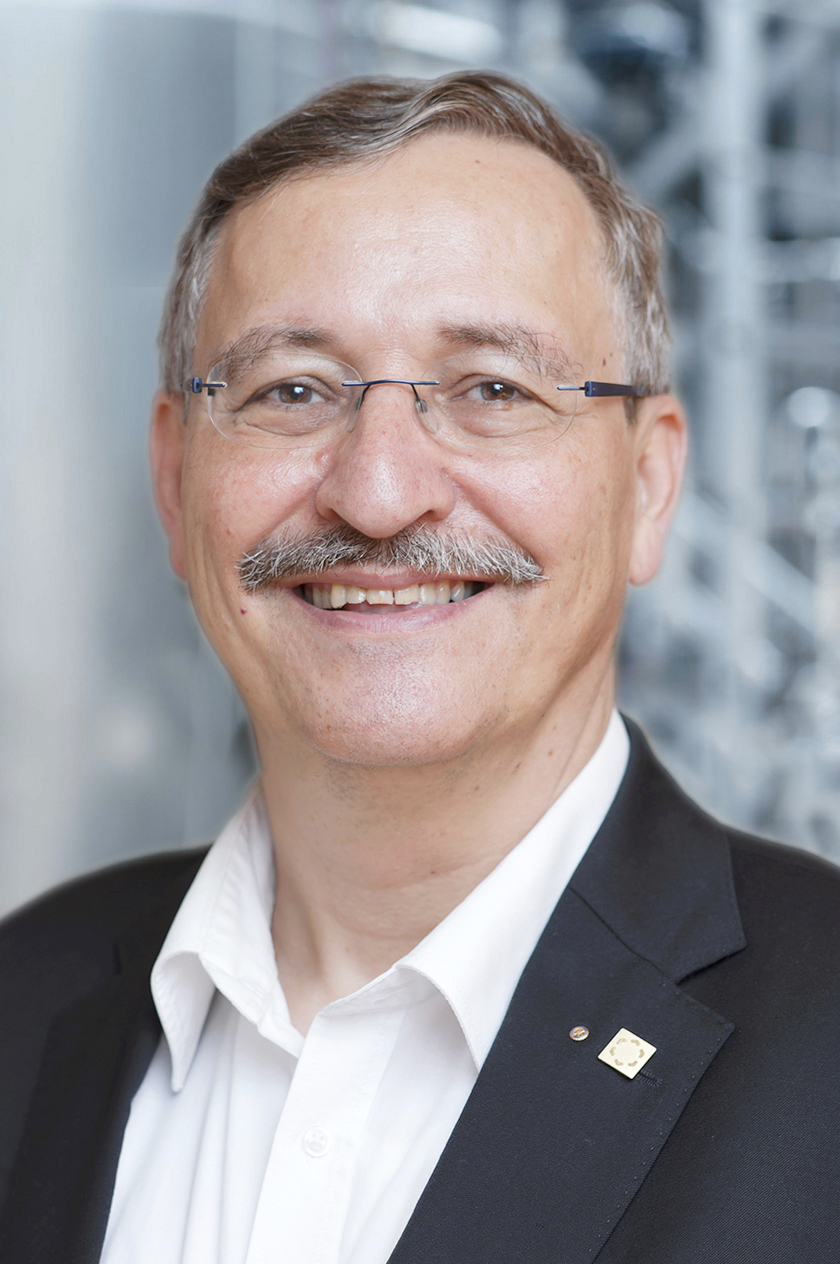
Prof. Dr Michael Hengartner
Chair
President of the ETH Board, the strategic management and supervisory body of the ETH Domain, Bern, Switzerland
Michael Hengartner is a molecular biologist. During his active research career, he worked with the model organism C. elegans, a nematode, and numbers among the world’s leading researchers in apoptosis, or programmed cell death. A dual Swiss-Canadian citizen, Hengartner grew up in Québec City, where he studied biochemistry at the Université Laval. In 1994 he received his doctorate at the Massachusetts Institute of Technology, in the lab of Nobel laureate H. Robert Horvitz. Afterwards, he helmed a research group at Cold Spring Harbor Laboratory in the US. He was appointed professor at the University of Zurich (UZH) in 2001 and was dean of the UZH Faculty of Science from 2009 to 2014. He served as president of the University of Zurich from 2014 to 2020 and, from 2016 to 2020, as president of swissuniversities, the umbrella organisation of the Swiss universities. In February 2020, he took on the role of president of the ETH Board—the strategic management and supervisory body of the ETH Domain, which includes the Federal Institutes of Technology and associated research institutions. Michael Hengartner holds an Executive MBA from IMD Lausanne and has received numerous awards for his research and teaching.
Prof. Dr. Gerald Haug
Member
President of Leopoldina, the German National Academy of Sciences, Halle (Saale); director of the Max Planck Institute for Chemistry in Mainz, Germany; professor at ETH Zurich, Switzerland
Gerald Haug is palaeoclimatologist, palaeoceanographer and marine geologist. His research interests include the development of the earth’s climate over the past thousands to millions of years; causes of climate changes; dynamics of climate systems; and interactions between climate and advanced civilisations of the past. In 2020, Gerald Haug was named president of Leopoldina, the German National Academy of Sciences, where he has been a member since 2012. Leopoldina unites 1 600 leading researchers from over 30 countries. In 2007, Gerald Haug was appointed full professor for climate geochemistry at the Department of Earth Sciences at ETH Zurich, where he also earned his professorial qualification. Since 2015, he has also been director of the Department of Climate Geochemistry at the Max Planck Institute for Chemistry in Mainz, Germany, and Scientific Member of the Max Planck Society. He is chair or member of various governing bodies, including the Alfred Wegener Institute/Helmholtz Centre for Polar and Marine Research, the Potsdam Institute for Climate Impact Research and the Swiss Polar Institute. Gerald Haug has received numerous distinctions for his work.
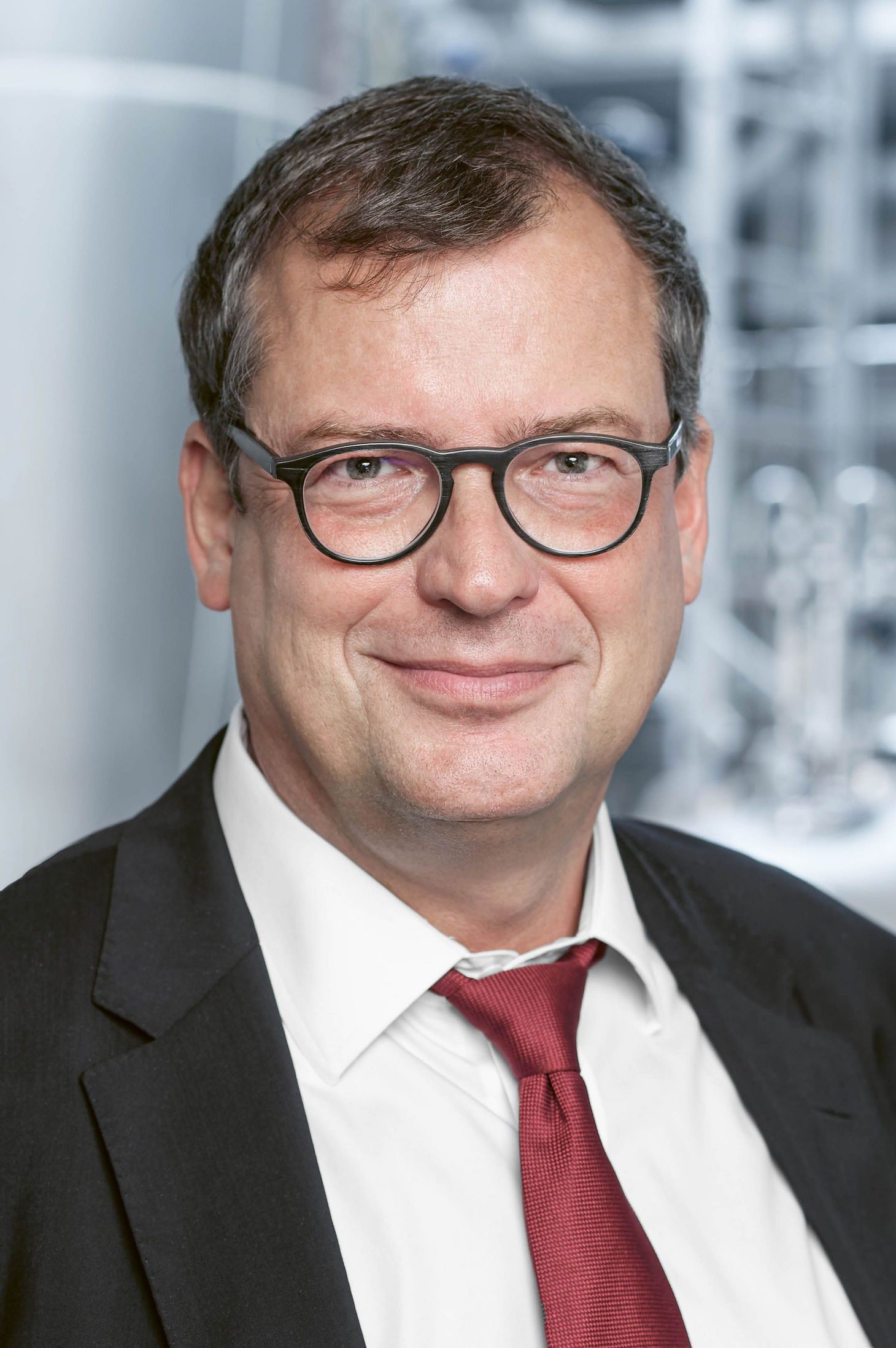
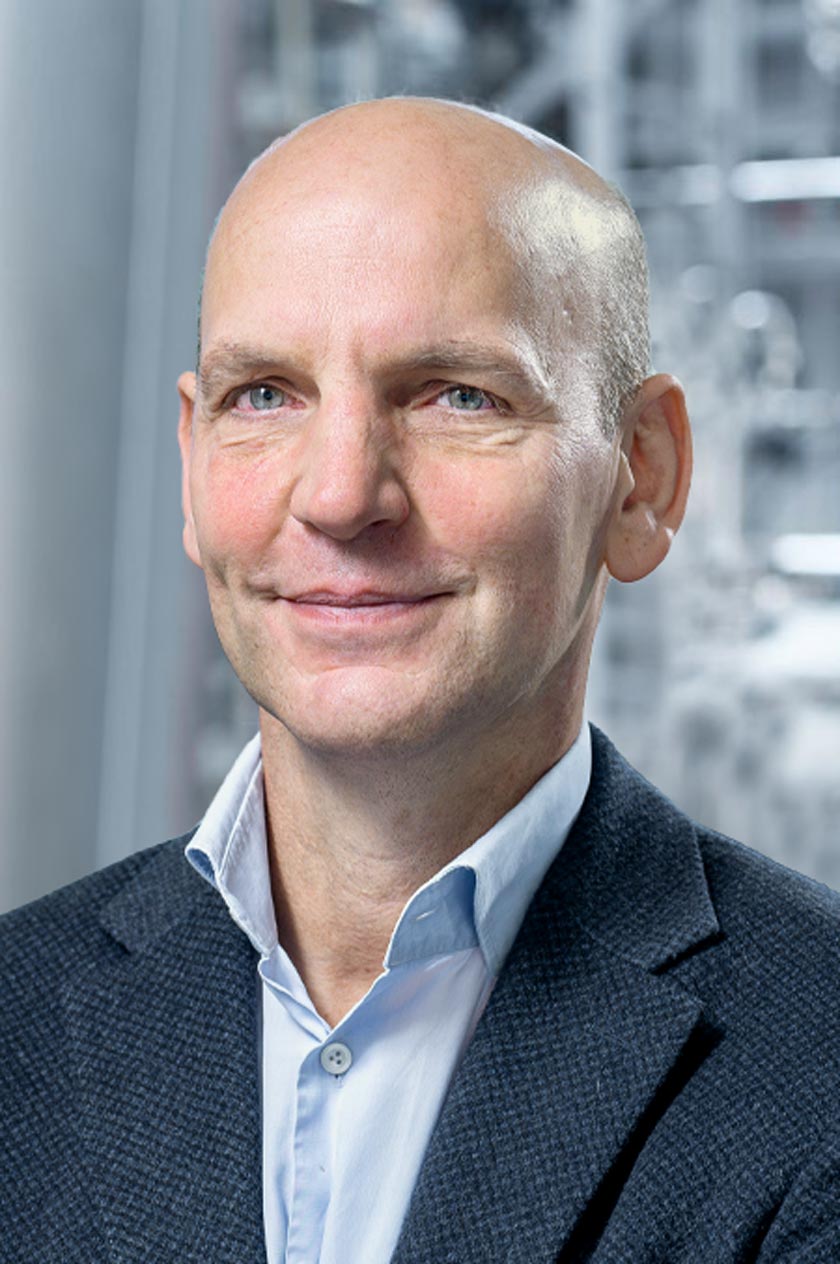
Prof. Dr Benjamin List
Member
Director at the Max-Planck-Institut für Kohlenforschung, Mülheim an der Ruhr, Germany. Chemistry Nobel laureate in 2021.
Benjamin List is a chemist specialising in organic synthesis and catalysis. He is widely regarded as the founder of asymmetric organocatalysis, a method in which small organic molecules act as catalysts. Today, these “organocatalysts” are used for a variety of processes, including the production of medicines and solar cells. For his achievements in the field, Benjamin List, together with David MacMillan, was awarded the 2021 Nobel Prize in Chemistry.
List studied chemistry at Freie Universität Berlin and received his doctorate in 1997 from Goethe University Frankfurt. He then took on a postdoc position at Scripps Research Institute in La Jolla, United States, where he was appointed assistant professor in 1999. Since 2003, he has worked at the Max-Planck-Institut (MPI) für Kohlenforschung in Mülheim an der Ruhr, Germany, where he first led an independent group of junior researchers and was named director in 2005. In addition to his work at MPI, List conducts research and holds a professorship at Hokkaido University in Sapporo, Japan, and at Wuhan University of Science and Technology in Central China. List has been a member in Leopoldina, the German National Academy of Sciences, since 2018 and is the recipient of numerous other honours and accolades.
Prof. Dr. Bernd Pichler
Member
Dean of the Faculty of Medicine, Eberhard Karls University of Tübingen, Germany; Member of Leopoldina, the German National Academy of Sciences, Halle (Saale), Germany
Bernd Pichler, electrotechnical engineer with a specialisation in biomedicine, investigates multimodal imaging techniques and detector physics; he also conducts pure research in biomedicine, specifically in oncology, neurology, immunology, infectious diseases and radiochemistry. In 2008, he was named director of the Werner Siemens Imaging Center and the Department of Preclinical Imaging and Radiopharmacy at the University of Tübingen, where he combined the medical imaging techniques of PET and MR to facilitate precise diagnostics and individual therapeutics, especially for patients with tumours. Bernd Pichler has received numerous awards and grants. He is a member of the most important associations and bodies in his field, including the Council of the European Society for Molecular Imaging. He has been a member of Leopoldina, the German National Academy of Sciences, since 2017. In 2020, Bernd Pichler was elected dean of the Faculty of Medicine of the University of Tübingen.
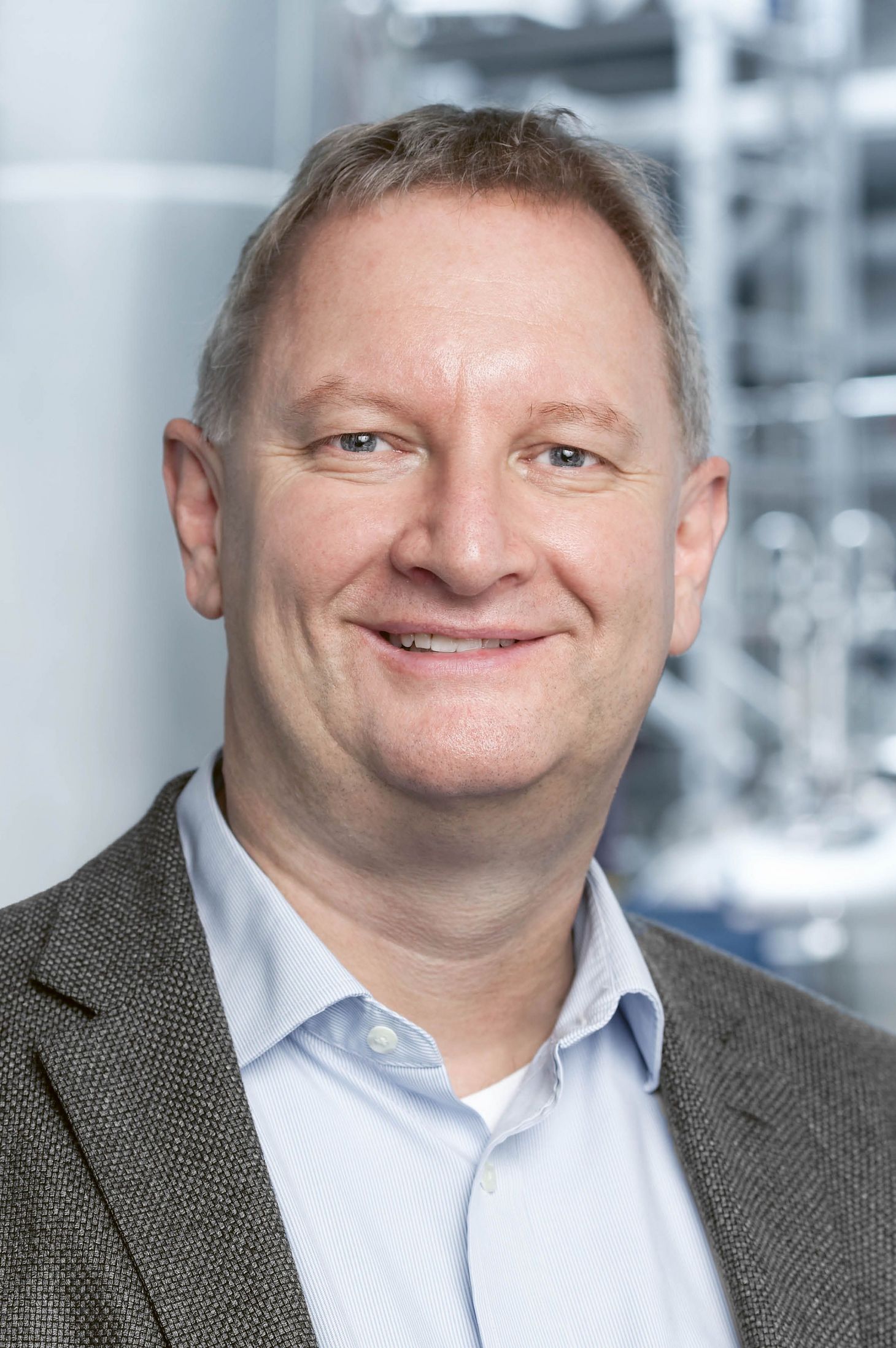
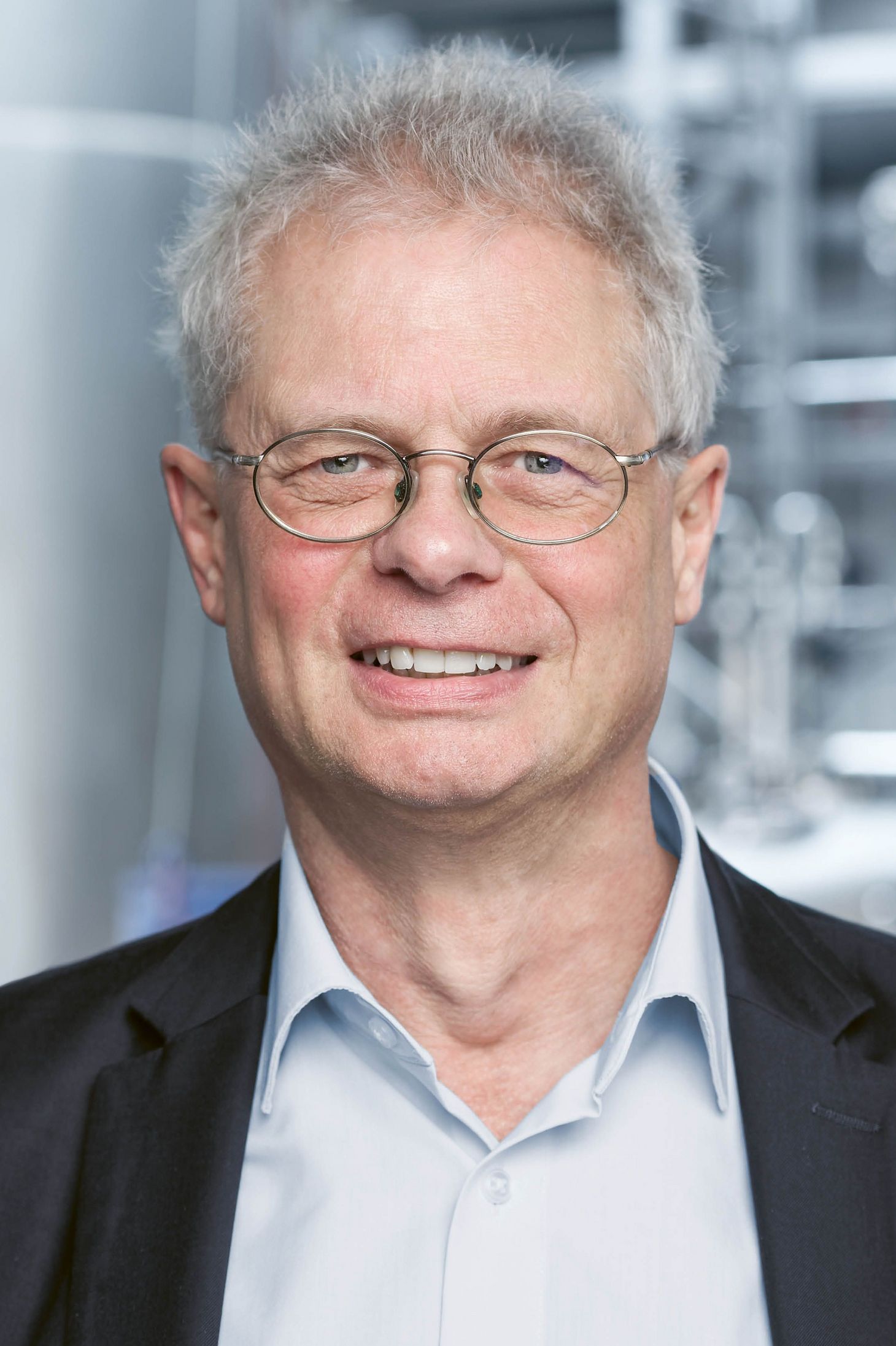
Prof. Dr. Peter Seitz
Member
Vice President of the Swiss Academy of Engineering Sciences; Senior Technologist Europe at Hamamatsu Photonics, Japan; professor at EPFL, Switzerland
Peter Seitz is a physicist specialised in semiconductors; he earned his doctorate at ETH Zurich in the area of biomedical technology. He conducted research at the David Sarnoff Research Center in Princeton, NJ, USA, and during a ten-year period, he established the area of semiconductor image sensors and optical measurement systems at the Paul Scherrer Institute. Afterwards, he took on various roles as head of research at the Swiss Center for Electronics and Microtechnology (CSEM), including the position of vice president of photonics and vice president of nanomedicine; he also was instrumental in establishing the CSEM branch in Silicon Valley. During this time, Peter Seitz was also associate professor for optoelectronics at the University of Neuchâtel; he has held the same position at EPFL since 1997. In 2012, he began establishing the Innovation & Entrepreneurship Lab at ETH Zurich. Peter Seitz is author or co-author of over 200 scientific publications, is owner or co-owner of over 70 patents on inventions and co-founder of 6 high-tech start-ups. He and his teams have received 22 international awards and honours.