

“WSS fellows are the best of the best”
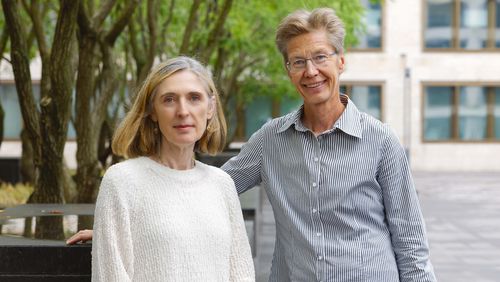
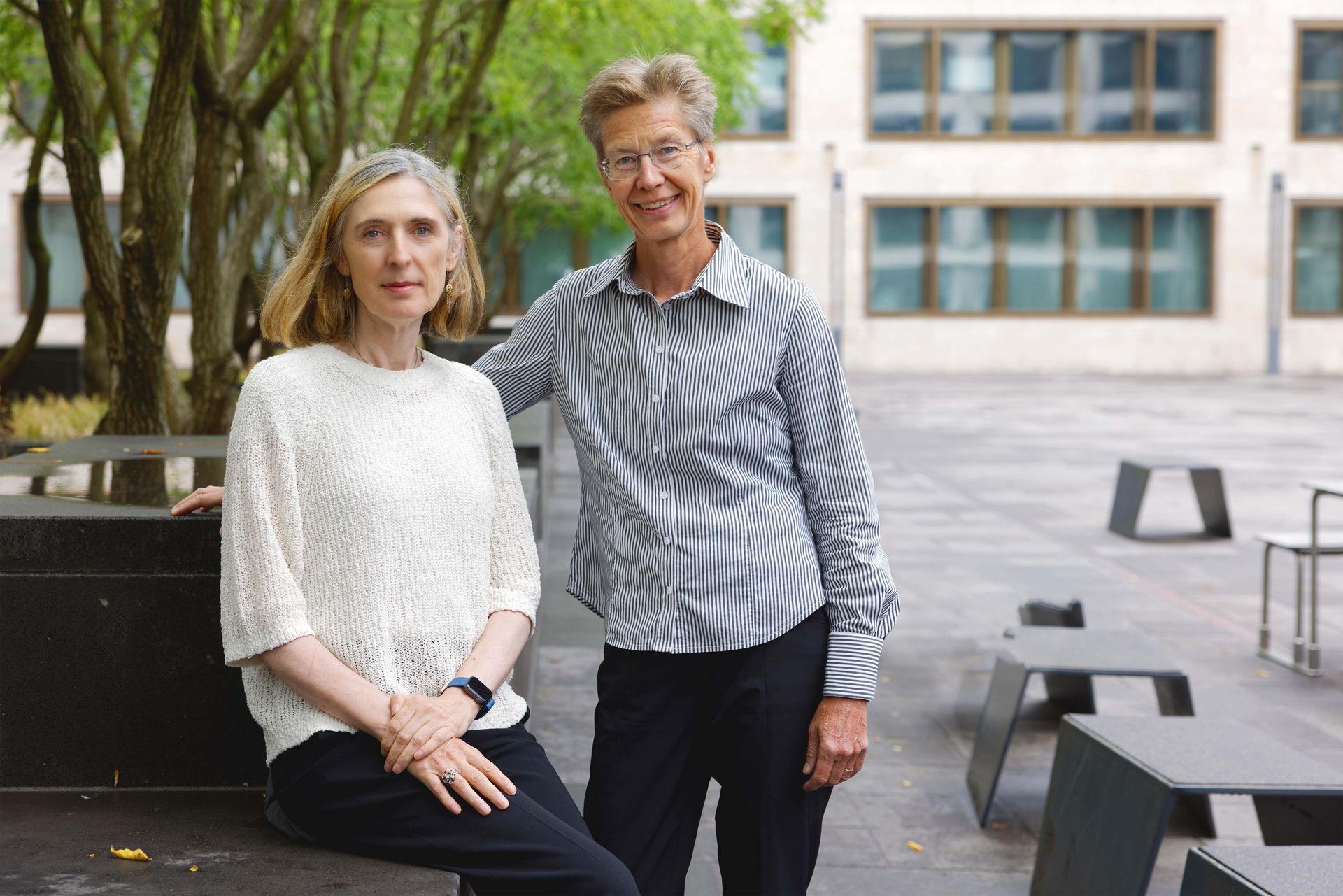
The Werner Siemens Foundation has renewed its funding programme at the Swiss Study Foundation for another ten years. In the following interview, Astrid Epiney, President of the Study Foundation Board, and Klara Sekanina, Director of the Study Foundation, explain how this funding makes a difference—not only to outstanding students but to Switzerland’s research landscape as a whole.
Astrid Epiney, you were Rector of the University of Fribourg for nine years and have been President of the Swiss Study Foundation’s Board for four. Were you yourself supported by a study foundation during your studies?
Astrid Epiney: Yes. In Germany, I was awarded a scholarship by the Konrad Adenauer Foundation. It was a wonderful time, and I benefited enormously from the foundation’s education programme. I remember a trip to Israel in the late 1980s, during the First Intifada. We met with Palestinians and Israelis, including the then mayor of Jerusalem. Experiencing something like that made a deep impression on me—I still draw on it today.
Are such experiences the reason why supporting young people and fostering talent is so important to you?
Epiney: That’s certainly part of it. But it also relates to my personal “pet subject”: the rule of law. I believe it’s important to instil in young people an understanding of our democratic system of laws, where institutions, separation of powers and fundamental rights are respected, and where due process is central—the basic conditions that allow individuals to flourish. This is why students and young researchers shouldn’t only focus on the advances being made in their own field, but look further. At the Swiss Study Foundation, we play our part in broadening students’ horizons.
Klara Sekanina, you’ve been Director of the Swiss Study Foundation for six years. What characteristics does a student selected by the Foundation have that others don’t?
Klara Sekanina: First of all, we don’t select students solely on the basis of their talent or high grades. It’s just as important to us that they contribute to their community and are willing to take responsibility for the promotion of science and development of the common good.
So they should already have an interest in questions that go beyond their own field?
Sekanina: Exactly. What we offer is a broad network of like-minded people—people who want to share ideas, debate and discover new things. That’s what’s unique about our approach: it’s not just our themes that are interdisciplinary. We bring together students from across Switzerland and from all disciplines. That creates a vibrant exchange, which our students really value.
How does that exchange work in practice?
Sekanina: We’re currently supporting more than nine hundred and thirty students from all universities in Switzerland, all of whom are invited to apply to a range of programmes. When it comes to putting the groups together, we make sure the internal dynamics are of mutual benefit. And we organise several events that last longer than a day so that the students can really get to know one another and exchange ideas.
And it works?
Sekanina: Absolutely! I remember a study week where a budding economist met a philosophy student. The two had completely different points of view, but they enjoyed debating each other so much that they ended up as friends.
What else do students gain from the support you offer?
Sekanina: We give them tools that will take them further in research, business and society. A major focus is on imparting transferable skills such as negotiation, self-management and strategic planning. Their potential is what enables these students to follow diverse professional and academic paths.
What kinds of careers do former scholarship recipients typically take up?
Sekanina: We conducted a survey on that question. Around a quarter pursue an academic career. Others go into business, work at public institutions or set up their own companies. Many hold leadership roles and take on meaningful responsibility.
Professor Epiney, as a professor at the University of Fribourg, can you tell which of your students are beneficiaries of the Study Foundation?
Epiney: No—in most cases, I simply don’t know. But of course, there are notable differences between students: some do the bare minimum and just scrape by, while others have wide-ranging interests and enjoy looking beyond their own field. And then there are those who are real high-fliers.
Do the universities themselves offer programmes to support gifted students?
Epiney: Many faculties have master classes or formats that require a high level of commitment and that neatly complement what the Swiss Study Foundation offers. In law faculties, for example, they hold moot courts—simulated trials in which students take on the role of lawyers and argue cases before a mock court. Recently, three students from Fribourg won an international competition: the European Law Moot Court. It’s extremely impressive what these young people achieve.
“Without a basic understanding of the sciences, today’s society simply
cannot function.”
Klara Sekanina
The Werner Siemens Foundation has decided to support the Study Foundation’s work for another ten years. What does that mean to you?
Sekanina: We’re enormously grateful. And we’re convinced it’s money well spent. Because the Werner Siemens programme is aimed at students of STEM subjects—science, technology, engineering and mathematics—as well as medicine, pharmaceutical sciences and the life sciences, the support helps us give the students an interdisciplinary understanding of these fields. After all, without a basic understanding of the sciences, today’s society simply cannot function.
What’s special about the Werner Siemens Foundation’s programme?
Sekanina: Every year we award ten WSS Fellowships—excellence scholarships. These students stand out even within the Study Foundation—WSS fellows are the best of the best. Their grade point averages are well above 5.5. Some are studying for two master’s degrees at the same time—say, medicine and biomedical engineering. They’re young people who are highly dedicated to learning and have a wide range of interests. One medical student, for instance, was part of Switzerland’s three-member youth delegation to the UN from 2023 to 2025—the first non-economist and non-lawyer to do so.
The WSS programme also includes educational events and summer academies.
Sekanina: The three WSS summer academies we hold each year are intensive and enriching weeks. They give participants the chance to explore interdisciplinary topics in depth—the links between neuroscience and music, to name one example. Many of the shorter events are organised by the students themselves.
Are there topics or formats that are especially popular?
Sekanina: The summer academies are hugely appreciated—as are events that combine learning with hands-on experience. We have a weekend seminar called “When the mountains call…”, where students examine the impact of climate change in the Alps. The best thing is that they don’t just study it in the classroom, they also physically explore the topic on foot.
Are you planning any changes to the Werner Siemens programme?
Sekanina: We’d like to give students even more opportunities for exchange. At the moment, current and former WSS fellows meet on a regular basis. Attendance is voluntary, and they come whenever they can. They appreciate the opportunity to make new contacts or to stay in touch with other fellows, which is why we’d like to allocate more time for this—one idea is to organise lab visits to research projects also funded by WSS.
The Study Foundation supports individual students—but in a wider context, it also helps strengthen Switzerland’s position as a hub of research and innovation. With success?
Sekanina: Yes, of that I’m sure—based on my long experience in education, research and innovation policy. I’ve worked for an economic development agency, a start-up and the former Swiss Federal Commission for Technology and Innovation. Everywhere, success ultimately came down to individuals. That’s why I’m certain that by supporting students with outstanding talent, we’re boosting the country’s powers of innovation.
Epiney: That said, each individual needs a team in order to succeed. That’s why the transferable skills the Foundation imparts are so important. Students need to understand that they can’t change the world on their own. They also have to learn how to lead a team, motivate people and win them over.
“At the Swiss Study Foundation, we play our part in broadening students’ horizons.”
Astrid Epiney
Does talent development get the attention and support it deserves in education policy?
Epiney: There are several aspects to this. The first is funding: while the Study Foundation receives a substantial amount from the federal government, we still rely heavily on private donations—and securing them isn’t always easy. The second is public perception. Although we’ve successfully raised our profile in recent years through various initiatives, maintaining visibility requires constant effort on our part. And finally, there’s the question of creating a general understanding of the value of advancing a group of elites.
That’s not an easy discussion.
Epiney: The main challenge is making it clear that universities don’t just matter to students but to society as a whole: educational institutions play a key role in driving innovation and, in a broader sense, fulfilling cultural responsibilities. And yet there’s the fact that most students still come from academic families. It’s not always easy to explain why part of an already privileged group should receive even more support, given the substantial role that “elites” play in society overall.
Are there any new developments in education policy that could affect the Foundation’s work or students’ studies?
Epiney: I don’t want to get too political, but international integration and stable relations with the EU are essential—not just for the Study Foundation but for Switzerland’s standing as a hub of research, innovation and education. There’s more to it than participation in research or exchange programmes. We should see ourselves as part of a network. At my university, about fifty percent of
all doctoral candidates come from abroad; at the two ETHs the proportion is even higher. This is what makes our universities so strong and attractive—and what benefits students, the Study Foundation and ultimately us all.
Astrid Epiney
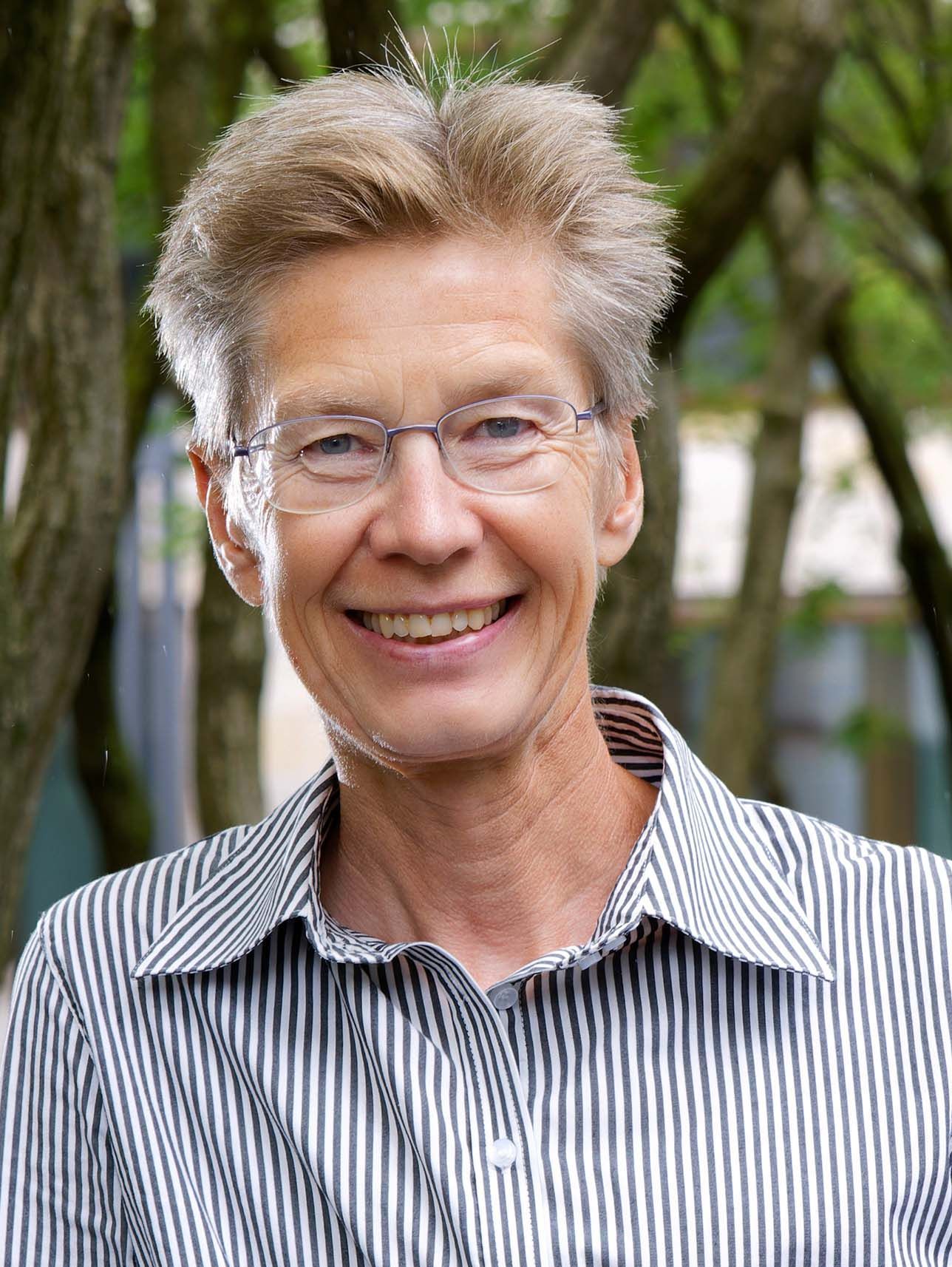
Astrid Epiney is Professor of European Law, International Law and Public Law at the University of Fribourg (Switzerland), where she served as Rector from 2015 to 2024. Her research has earned her numerous awards, including the Swiss National Science Foundation’s Latsis Prize and the German Order of Merit, First Class. Since 2021, she has been President of the Board of the Swiss Study Foundation.
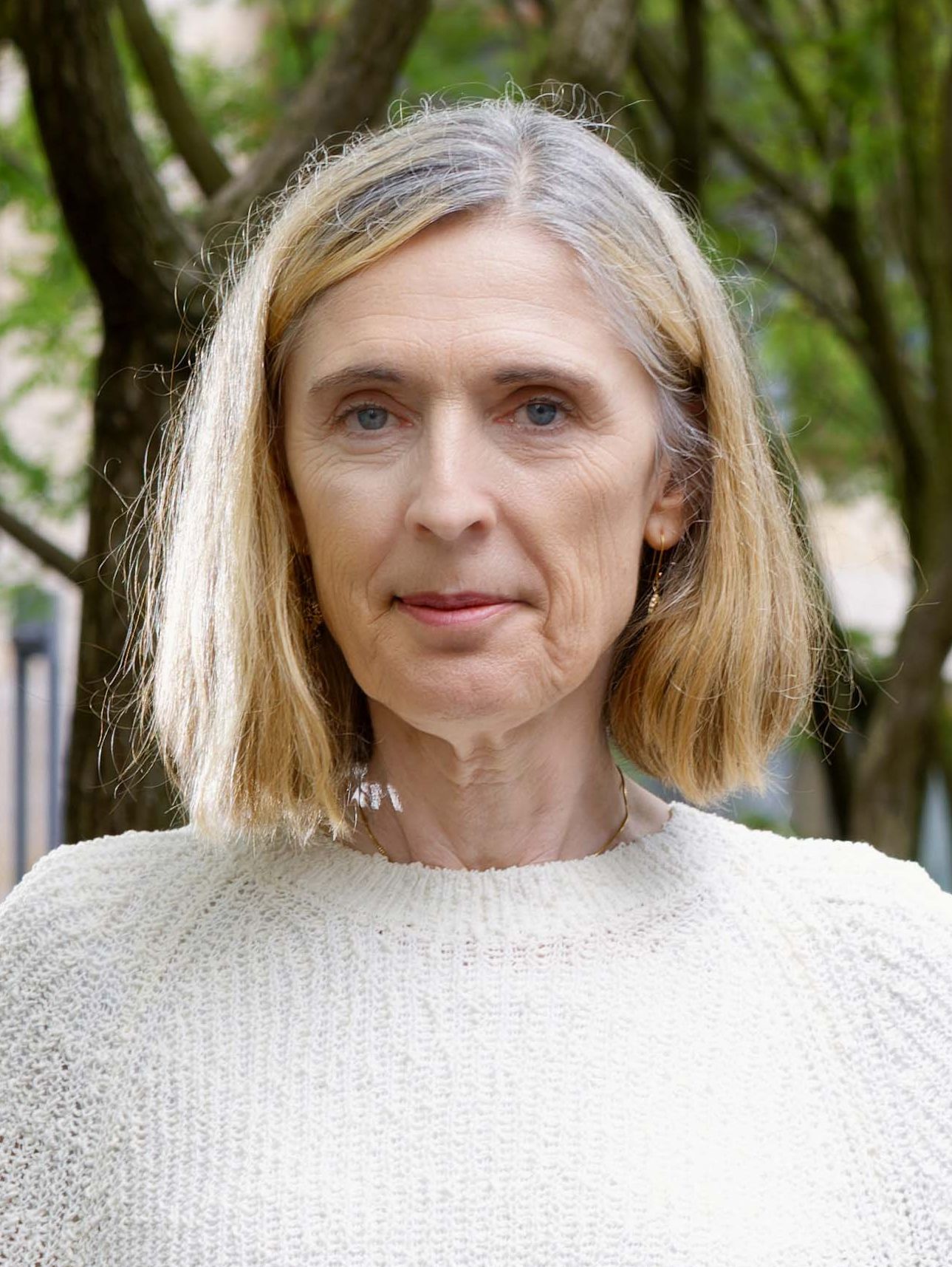
Klara Sekanina
Klara Sekanina has been Director of the Swiss Study Foundation since 2019. Holding a doctorate in chemistry, she formerly led Switzerland’s federal innovation agency, the Commission for Technology and Innovation (known as Innosuisse since 2018). Over her career, she has taken on numerous roles in education and innovation promotion, including leadership positions in public administration and at start-ups.


