

Boost from a new professorship
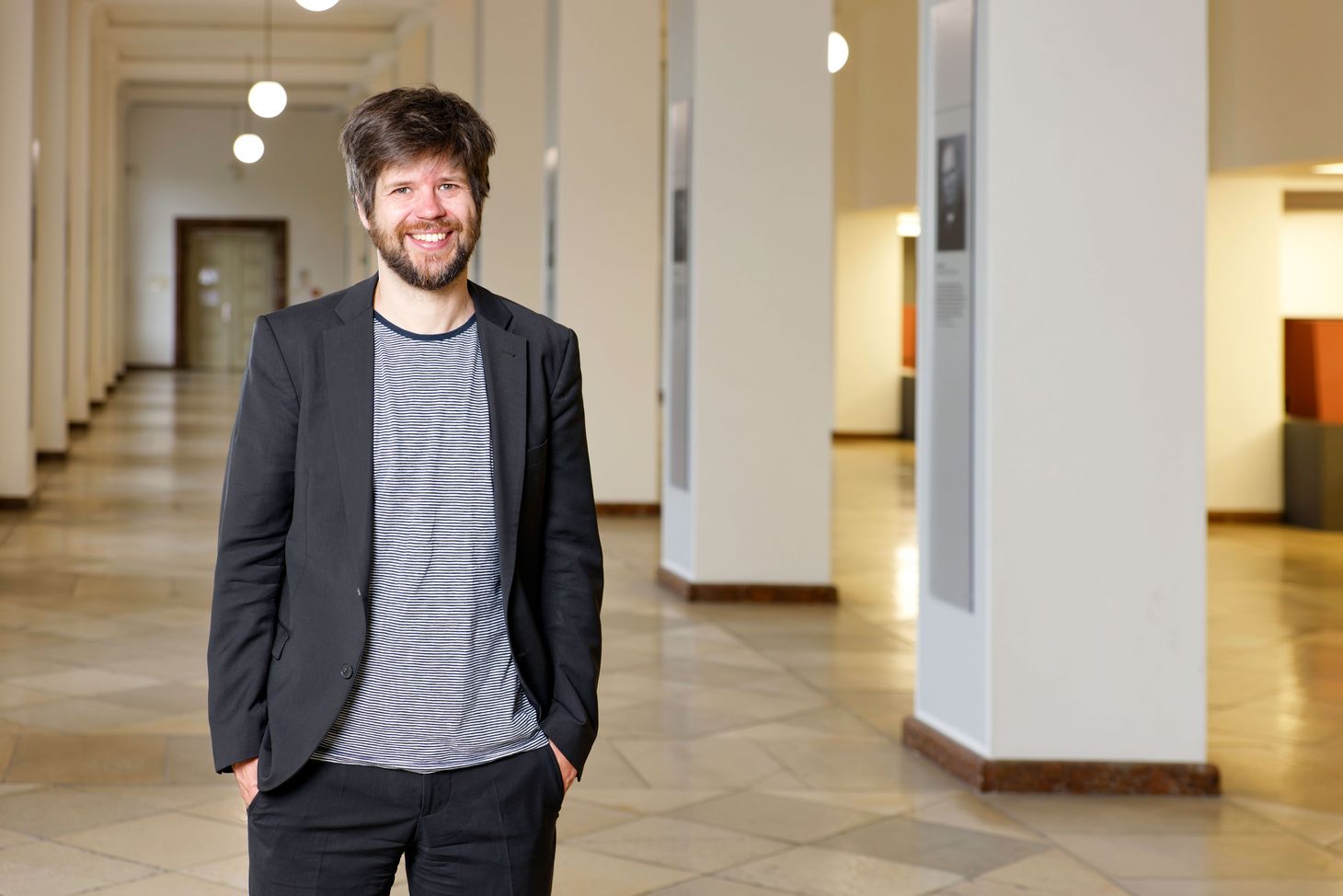
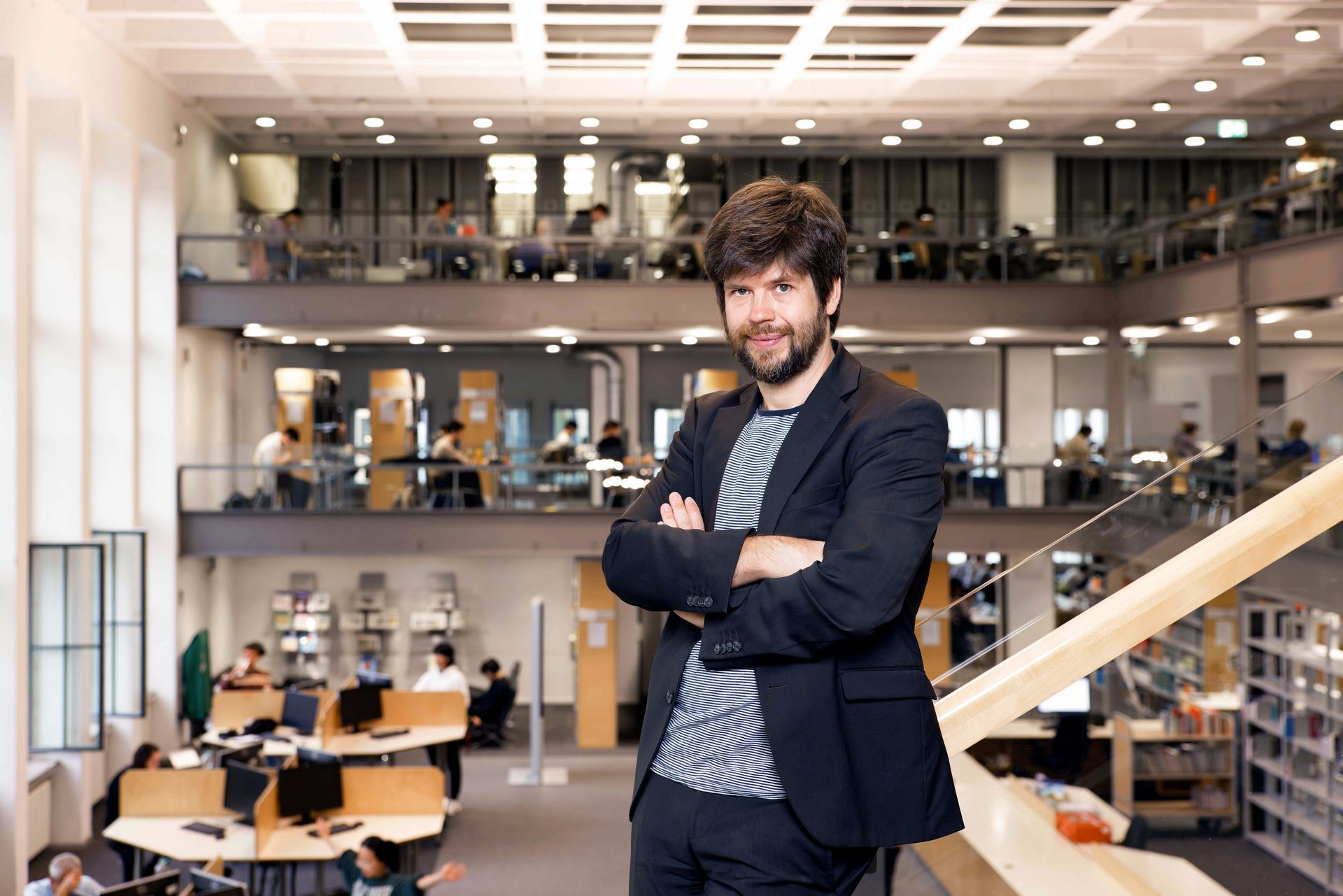
Last year, the CERES project at the Potsdam Institute for Climate Impact Research (PIK) filled the planned professorship for the political economy of climate change. In a competitive appointment process conducted with the Technical University of Munich, Jan Steckel, working group leader at PIK, prevailed against a field of high-profile external candidates.
Ottmar Edenhofer, Scientific Director and Chief Economist at the Potsdam Institute for Climate Impact Research (PIK) and head of the CERES project, says the creation of the professorship is a tremendous success. The appointment procedure was undertaken in partnership with the Technical University of Munich (TU Munich): as part of the Leibniz Association, PIK is barred from appointing professors itself; rather, it must collaborate with a state-funded university in such matters.
“TU Munich was the ideal partner to fill the professorship for the political economy of climate change,” Edenhofer continues. The position is a tenured professorship: from autumn 2025 to the end of 2031 it will be financed via CERES at PIK, with a teaching commitment of two hours per week in Munich. Afterwards, TU Munich will take over the funding and continue the professorship on a permanent basis.
The appointment went to Jan Steckel, head of the CERES work package “Political Economy: realities and barriers to transformation”. Ottmar Edenhofer is highly pleased with the decision: “It’s all the more gratifying that Jan stood out against such fierce competition and that his excellent work has now led to this new position.” He adds that the new professorship strengthens the standing of the political economy in CERES and will give the project a powerful boost.
An internship that changed everything
Jan Steckel previously held a professorship at the Brandenburg University of Technology Cottbus-Senftenberg, also in partnership with PIK. He originally studied industrial engineering at Europa-Universität Flensburg, specialising in energy and environmental management. “At first, I couldn’t decide whether to study economics or the technical and natural sciences,” he recalls.
Before completing his degree, he took an extended break to work as an intern with an aid organisation in Indonesia following the devastating tsunami in December 2004. By chance, he found himself involved in what turned out to be a small economics research project. “The aid organisation wanted to know whether donations could be used to create a sustainable local energy supply,” Steckel explains. “So I carried out surveys to learn how people were using energy—and whether their energy needs could be partially covered by simple resources such as small, stand-alone solar systems for their homes.”
It was a turning point. Steckel realised he was more drawn to research questions than to hands-on aid work—and that the issue of energy supply in such regions was a vastly underestimated challenge in the fight against climate change. “Replacing coal, oil and gas with renewables in highly developed countries is important,” he says. “But at the same time, billions of people elsewhere in the world are entitled to economic growth, too. If they use fossil fuels to power this growth, it will never add up.”
Winners and losers
Armed with this insight, he continued his studies at Technische Universität Berlin, where he wrote his doctoral thesis on climate action and energy transitions in developing and emerging economies—already then in collaboration with PIK. Later, at the newly founded Mercator Research Institute on Global Commons and Climate Change (MCC), he set up the Climate Policy and Development working group. “As a first step, we wanted to understand why so many countries still put their money into coal,” he explains.
Such questions lie in the realm of political economy—an area of increasing importance that’s at the heart of the new professorship. Put simply, the focus is placed on the political and economic interests that shape climate policy. Who stands to gain, and who stands to lose, when a country transitions from coal or oil to renewable energy? And how do those on the losing side try to sway political decisions in their favour? “We need to understand the dynamics and the connections here, both within the general population and at the level of the political elites,” Steckel says.
Developing new measurement methods
Steckel explains that another goal is to advance the methodological tools used for examining such political economy questions. In addition to surveys, new approaches will also include machine learning to analyse what people say on social media or in parliamentary debates. This information will make it possible to trace how a particular climate-policy measure shapes public and political discourse—and how this discourse in turn shapes policy.
The newly minted professor says the most exciting thing about the CERES project is its breadth of vision. The project explores ways to ensure the fair management of global commons such as the atmosphere, oceans and soils, while also identifying potential political and economic pitfalls along the way. And it considers which policy instruments could help drive transformation—always with an eye to country-specific challenges. The new professorship will play a pivotal role in weaving all these strands of research together.