

Fantastic plastic
Packaging, toys, car parts, even clothing and spectacle lenses: much of our modern world is made of plastic. And the production of plastic wares is showing no sign of slowing: in 2024, no less than 430.9 million metric tons of the versatile material was manufactured worldwide—an amount that corresponds roughly to the weight of all cars in Europe combined. In the following, we provide a list of the most common types of plastic and how they’re used as well as a brief discussion of the challenges surrounding plastics recycling.

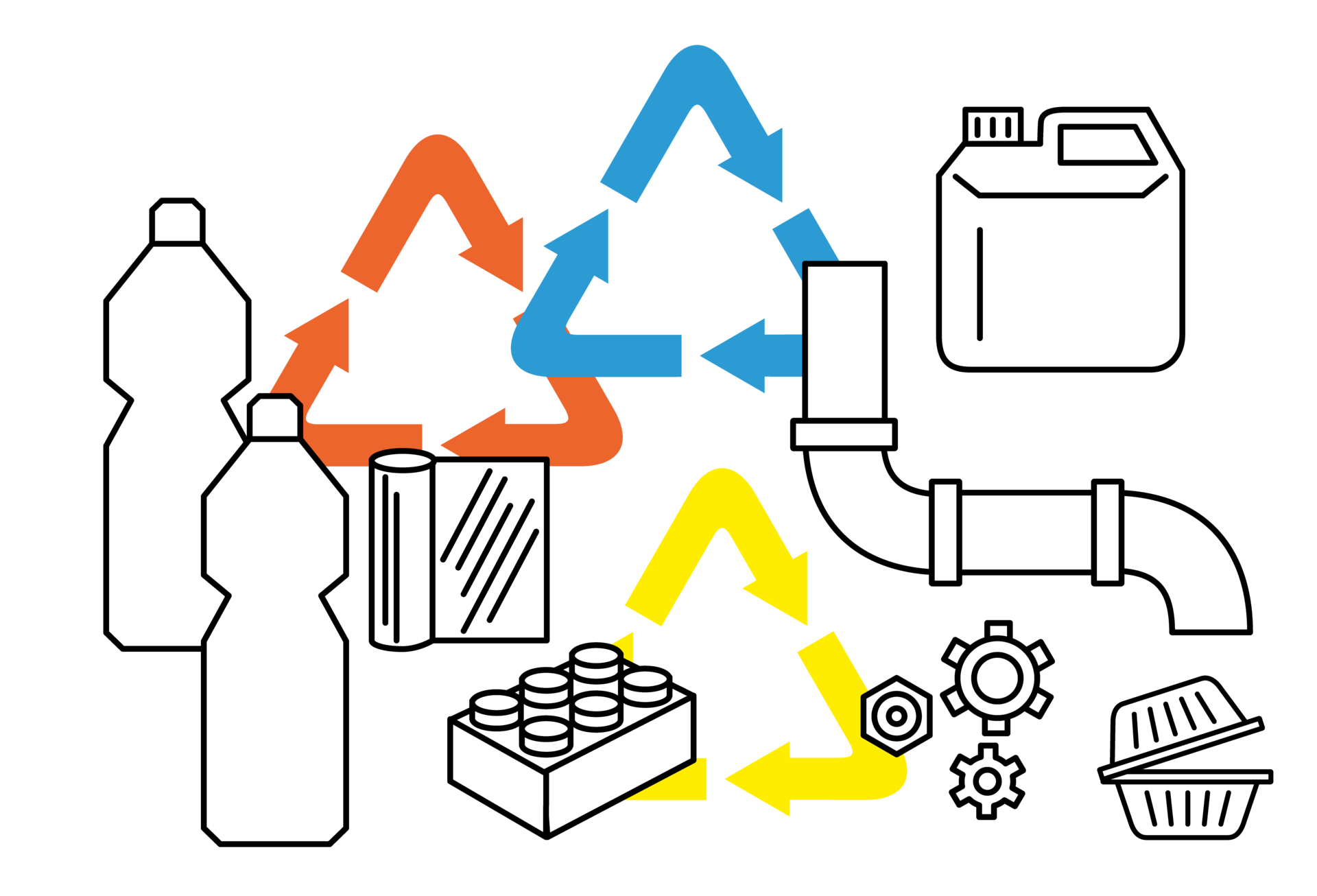
Polyethylene
terephthalate
Properties
High tensile strength and stiffness, wear-resistant, retains size and shape under changing environmental conditions, electrically insulating
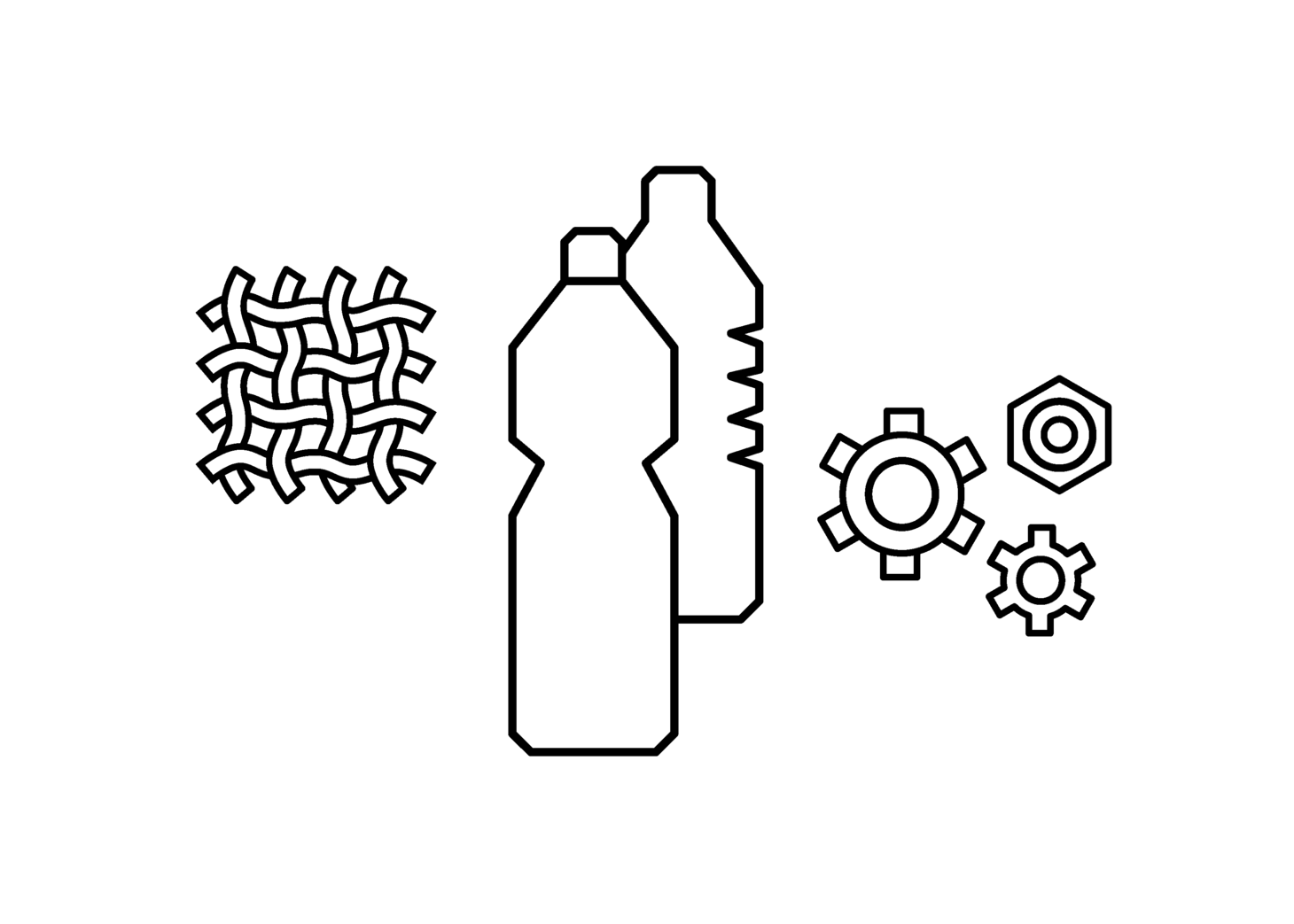
Applications
Plastic bottles, packaging, textiles, insulating parts, electrical and precision engineering

High-density
polyethylene
Properties
Good electrical insulation, very high chemical resistance
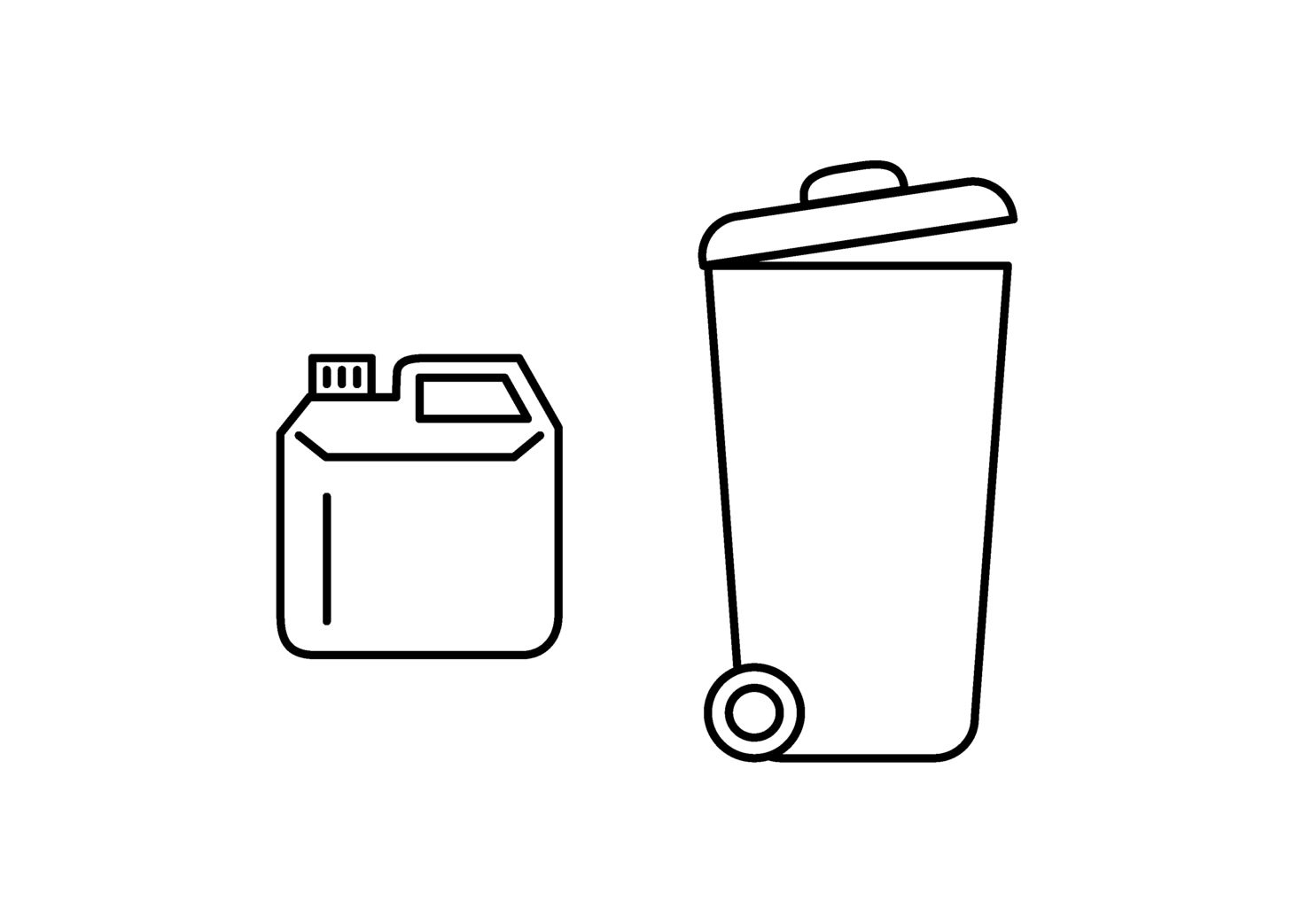
Applications
Household appliances, waste bins and containers

Polyvinyl chloride
Properties
High stiffness and strength, weather- and moisture-resistant, flame-retardant
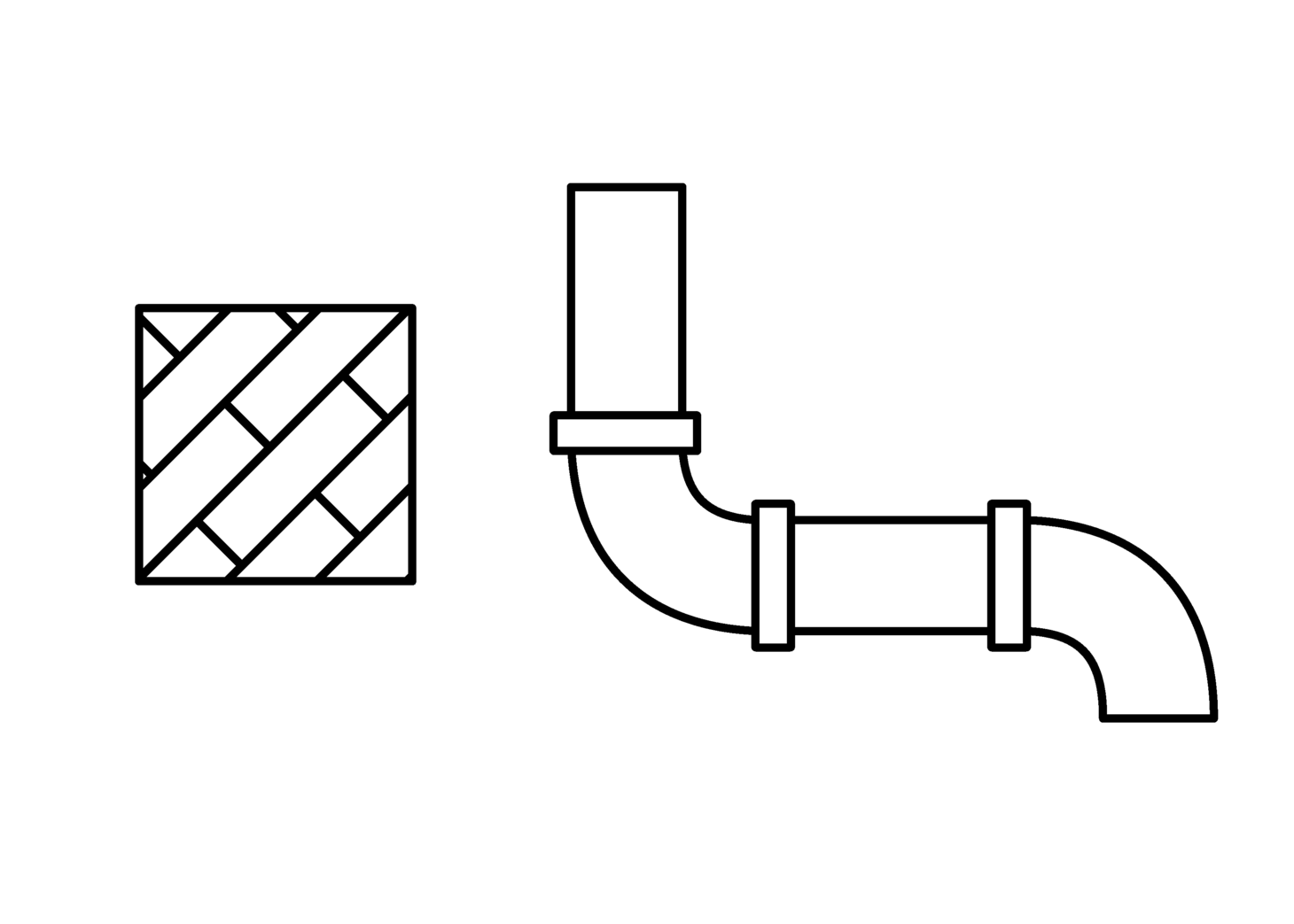
Applications
Drainage pipes, floor coverings, hoses, apparatus construction

Low-density
polyethylene
Properties
Lower density than PE-HD, softer, more transparent, more flexible and break-resistant but also less resistant to abrasion
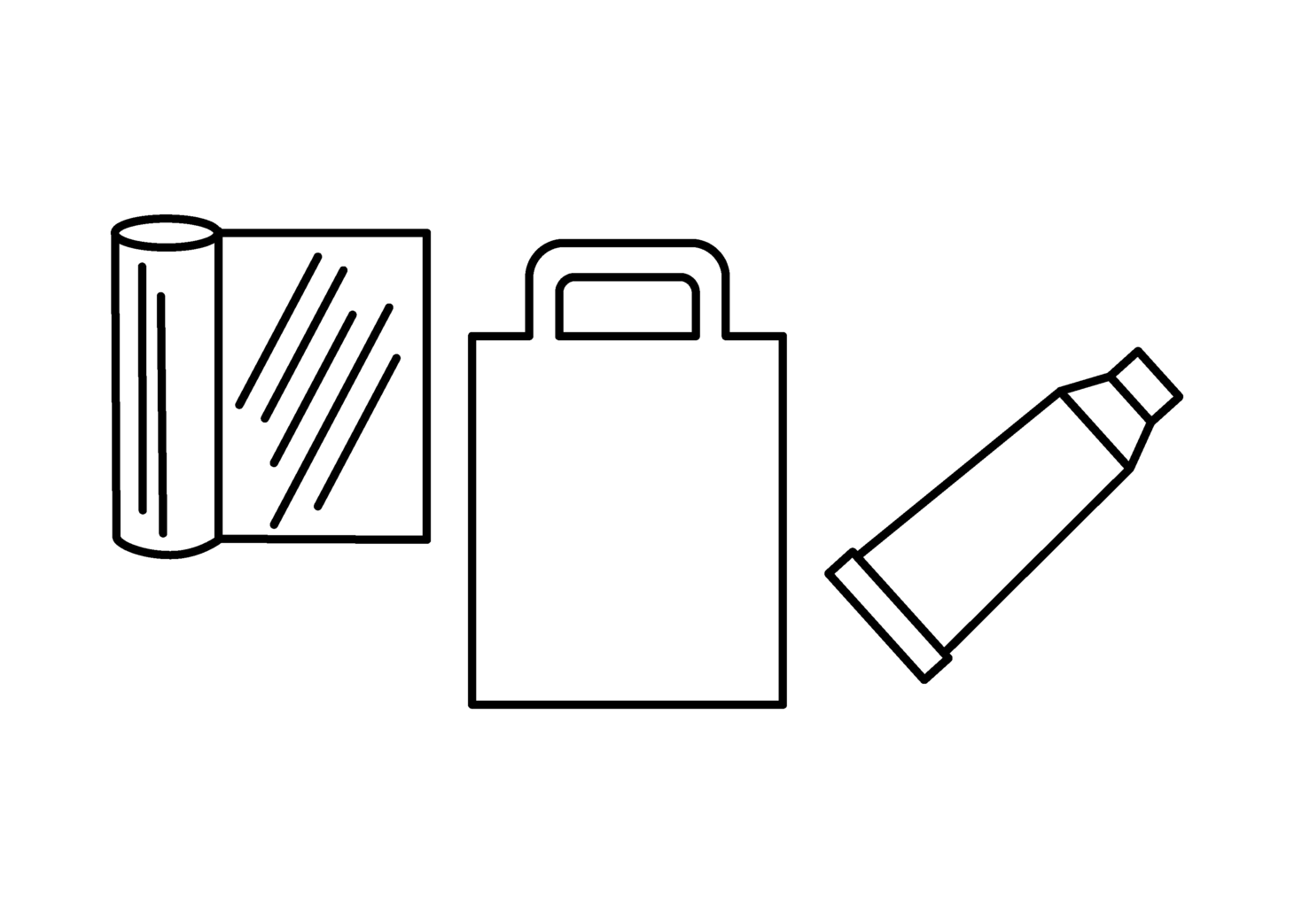
Applications
Films, packaging, plastic bags, insulation and coatings, household items

Polypropylen
Properties
Greater stiffness and strength than PE-HD, highly heat-resistant, very high chemical resistance, very good electrical insulation
Properties
Clear, hard and brittle, low thermal conductivity (ideal for use as insulation material)

Polystyrene
Properties
Clear, hard and brittle, low thermal conductivity (ideal for use as insulation material)

Properties
Clear, hard and brittle, low thermal conductivity (ideal for use as insulation material)

Other types of plastics include
Polycarbonate (PC), Polyamide (PA), Acrylonitrile butadiene styrene (ABS), Polymethyl methacrylate (PMMA), Polylactide (PLA)
Towards a catalysis-driven circular economy
Classifying the various types of plastics—PET, PP and PVC, for example—only partially reflects their chemical diversity. Meanwhile, additives such as plasticisers and fillers increase the complexity of the materials, as does the fact that different types of plastic are often mixed in one product.
As a result, plastics recycling is riddled with obstacles. Conventional, mechanical recycling methods quickly reach their limits in real-world conditions because they’re designed to process only clean, unmixed plastic waste. And while thermal treatments such as pyrolysis enable chemical breakdown, they’re energy-intensive and often yield products of limited purity and value. Indeed, it’s estimated that just some ten percent of conventional plastics are recycled worldwide.
At the WSS Research Centre “catalaix”, researchers are developing novel, catalysis-driven chemical recycling methods to promote the efficient and sustainable reuse of plastic waste in the material cycle. The aim is to selectively break down plastics into their base chemical components—which can then be reused. At the same time, catalaix researchers are laying the foundation for a portfolio of new, sustainable and environmentally friendly plastic materials that are designed with recyclability in mind from the outset.