

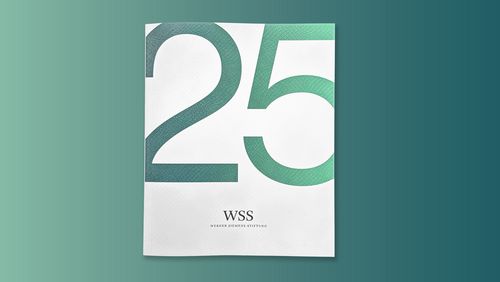
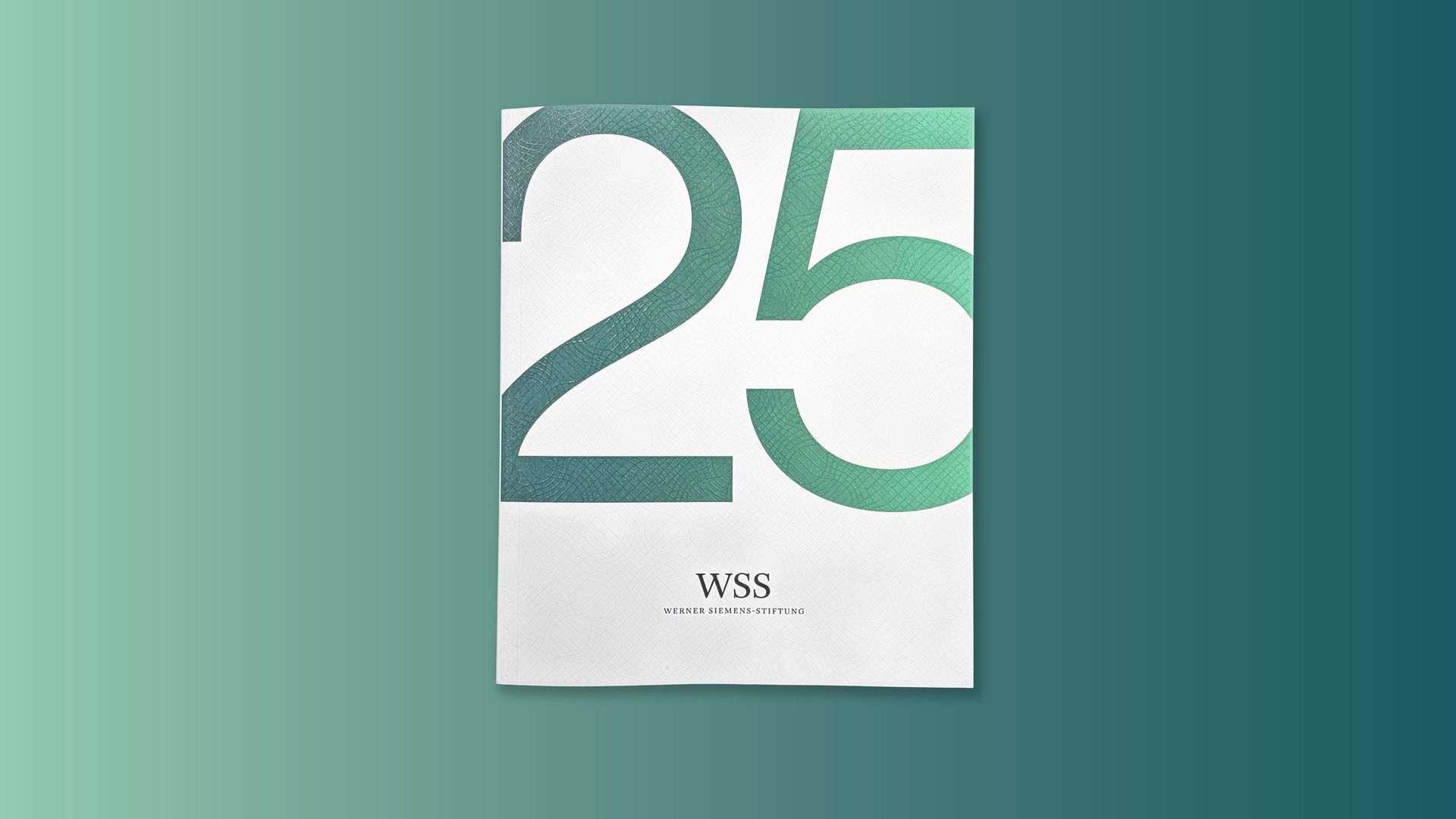
2025 report now available
The 2025 report of the Werner Siemens Foundation is now available. In this year’s edition, the world of novel, high-value materials takes centre stage. In addition, no less than five newly funded projects are introduced—and Scientific Advisory Board members discuss how they seek and find cutting-edge research.
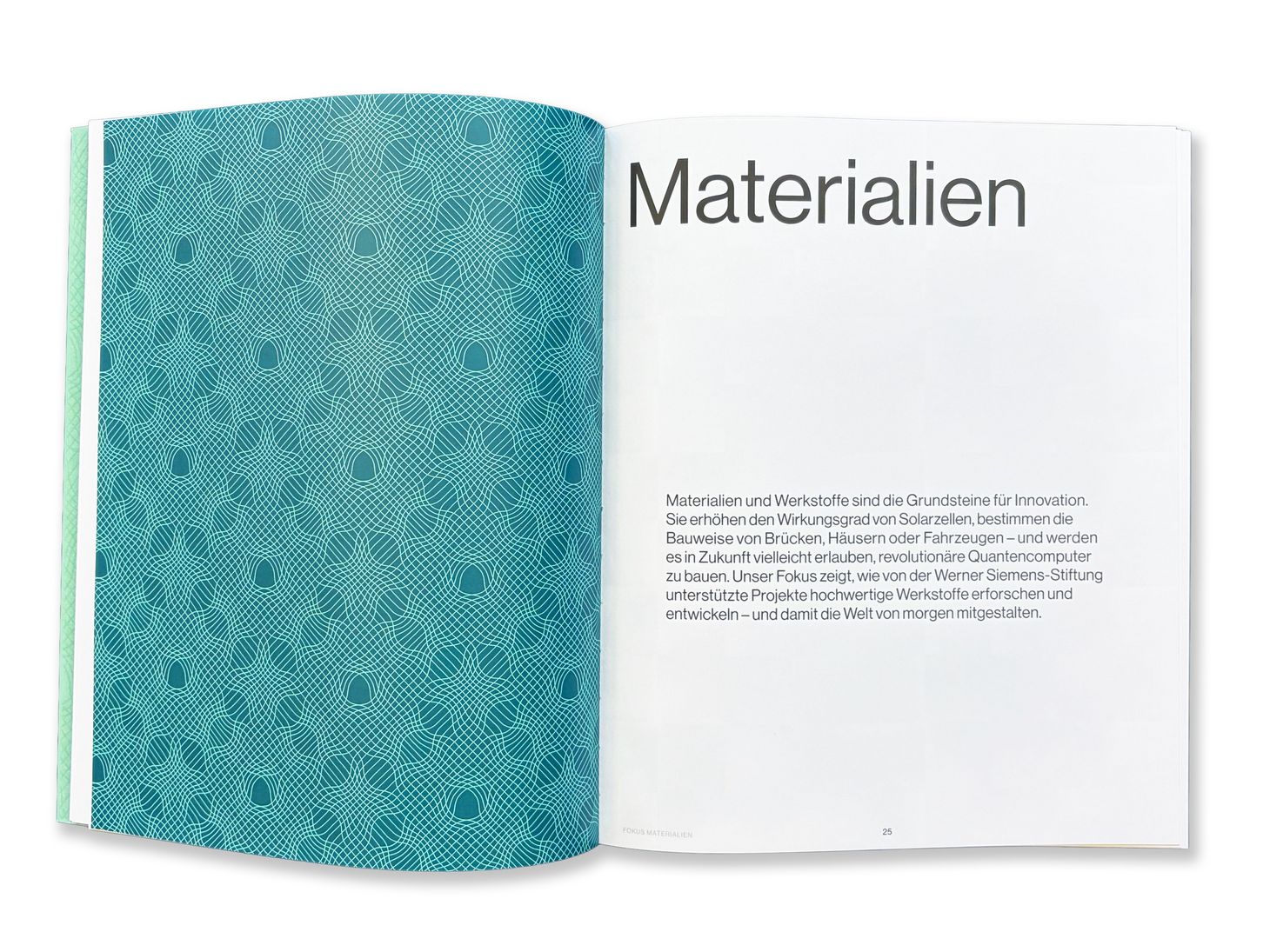
From high-tech building materials to biocompatible prosthetics and batteries for electric vehicles: innovative materials are found almost everywhere we look. The field of materials science plays a foundational role in our modern world—indeed, without the myriad innovations in this area, many of the products and technologies that make life easier, safer and more sustainable simply wouldn’t exist.
Research into novel materials and materials processing was selected as the focus of the Werner Siemens Foundation’s 2025 report. Despite the common theme, however, the individual WSS projects adopt very different approaches, as is illustrated by three research ventures in particular: “Artificial muscles”, “Climate-friendly, durable reinforced concrete” and “Thermoelectric materials”. Each of these teams are building their own unique repertoire of versatile materials.
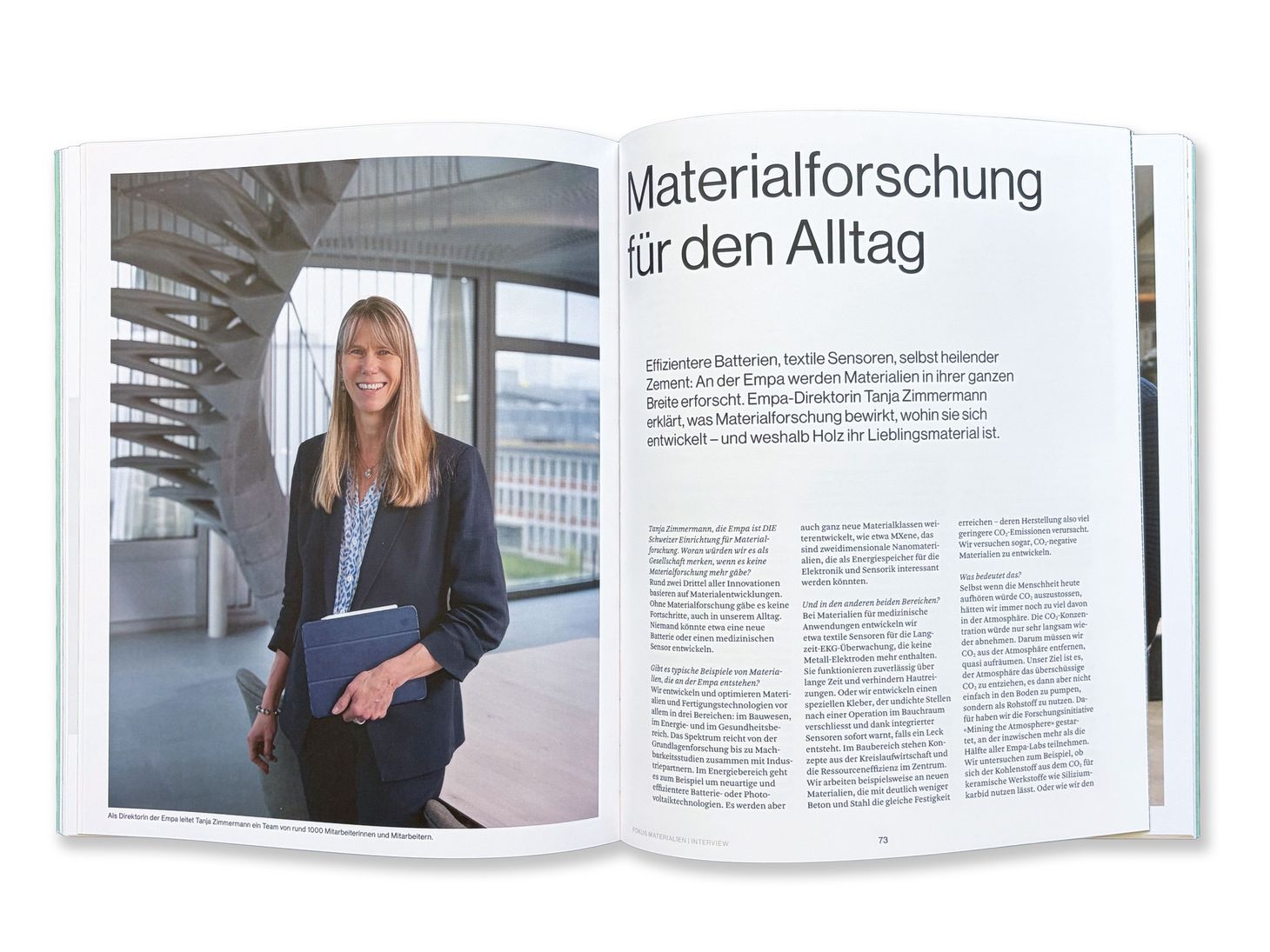
Few people command greater knowledge of the scope of present-day materials development and processing than Tanja Zimmermann, Director of the Swiss Federal Laboratories for Materials Science and Technology (Empa)—Switzerland’s hub for materials research. In an interview, Zimmermann discusses the impact of the field, the latest developments and innovations, and why wood is her favourite material.
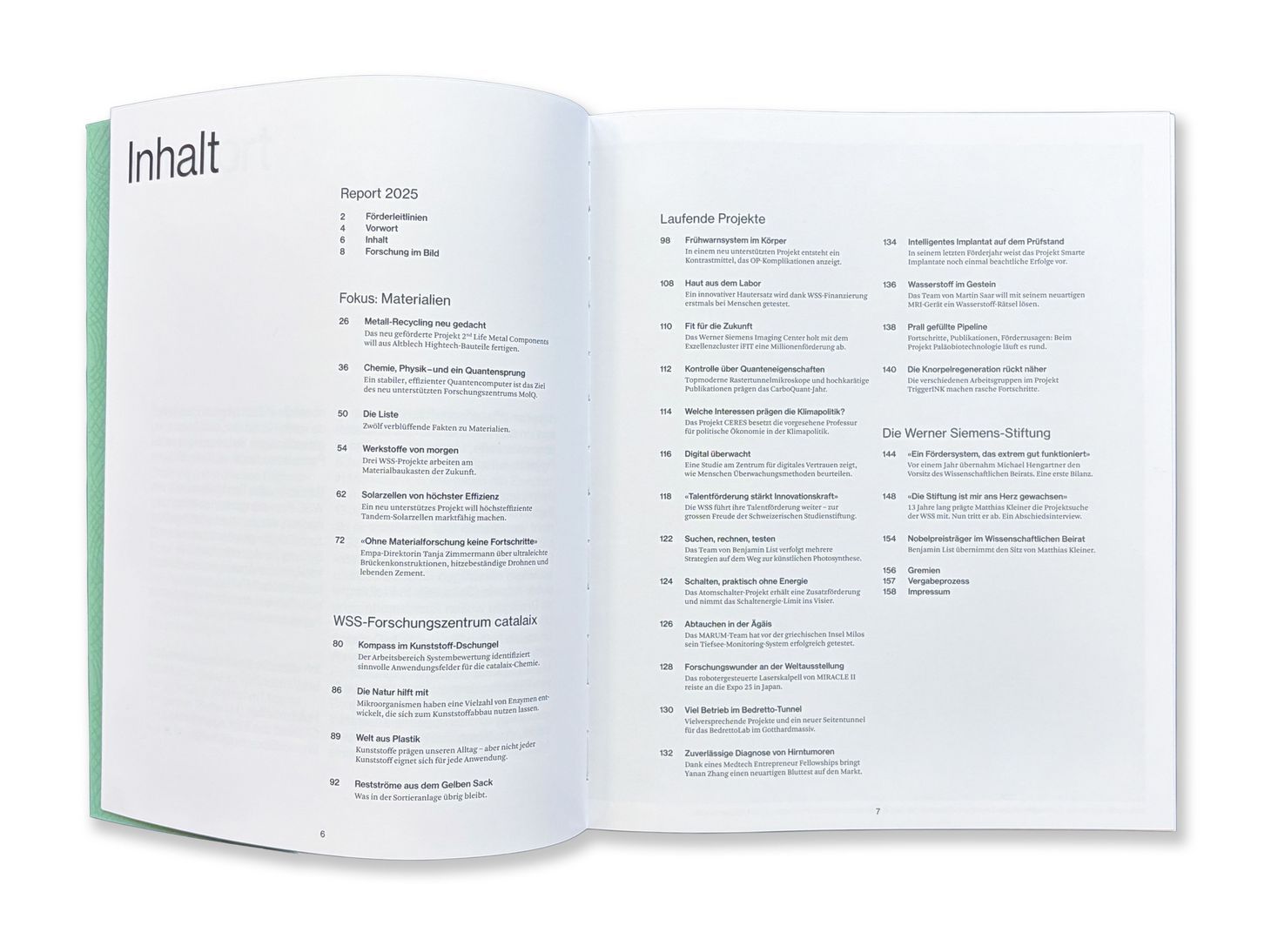
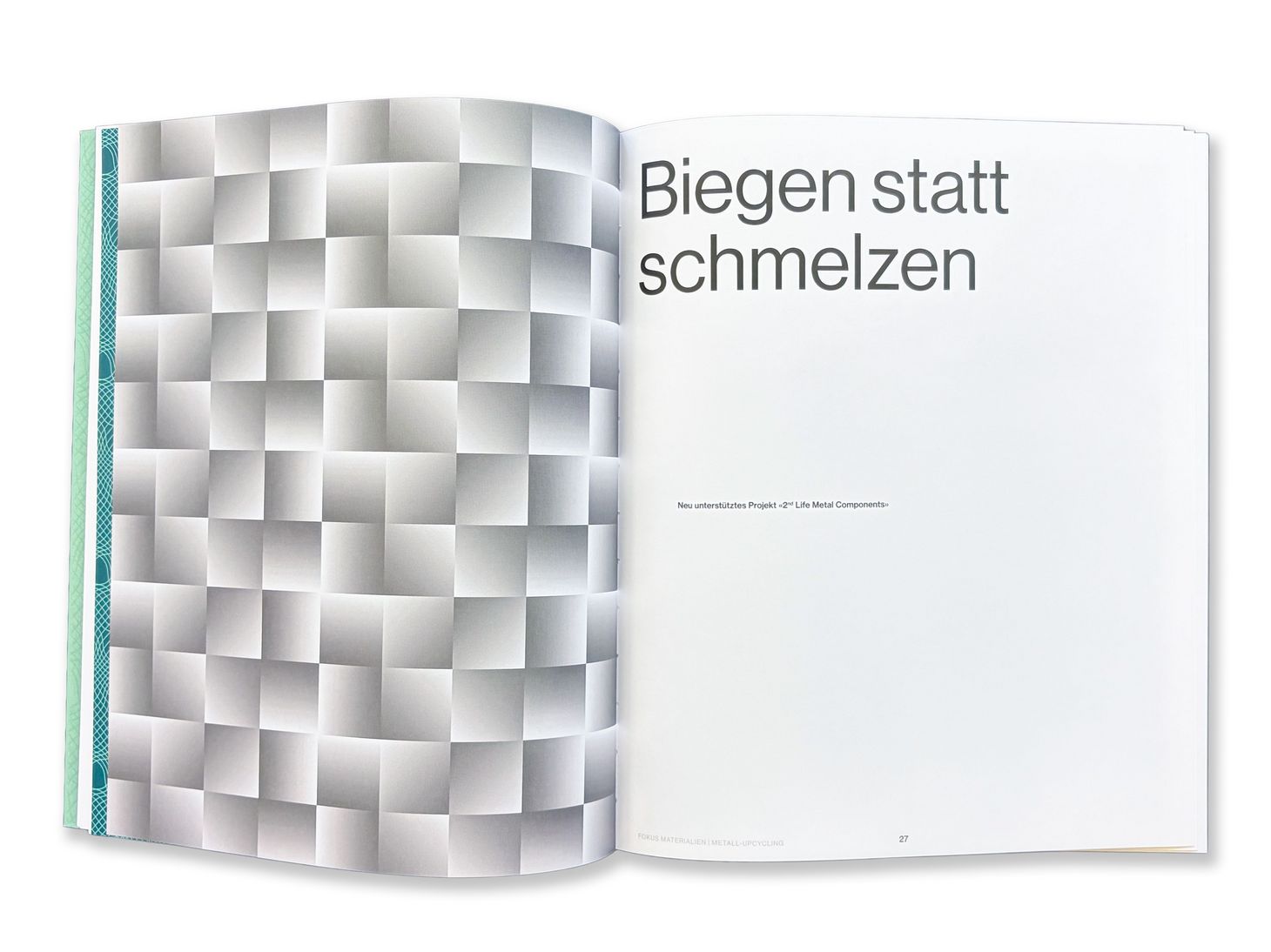
In 2025, the WSS Foundation Board approved funding for five new projects, each of which has the potential to break entirely new ground in materials science. In an undertaking at TU Dresden, engineers are developing re- and upcycling methods for scrap metal parts that bypass today’s high-energy melting process. Meanwhile, chemists and physicists at the universities in Bern and Basel are partnering up in a novel approach to building quantum computers.
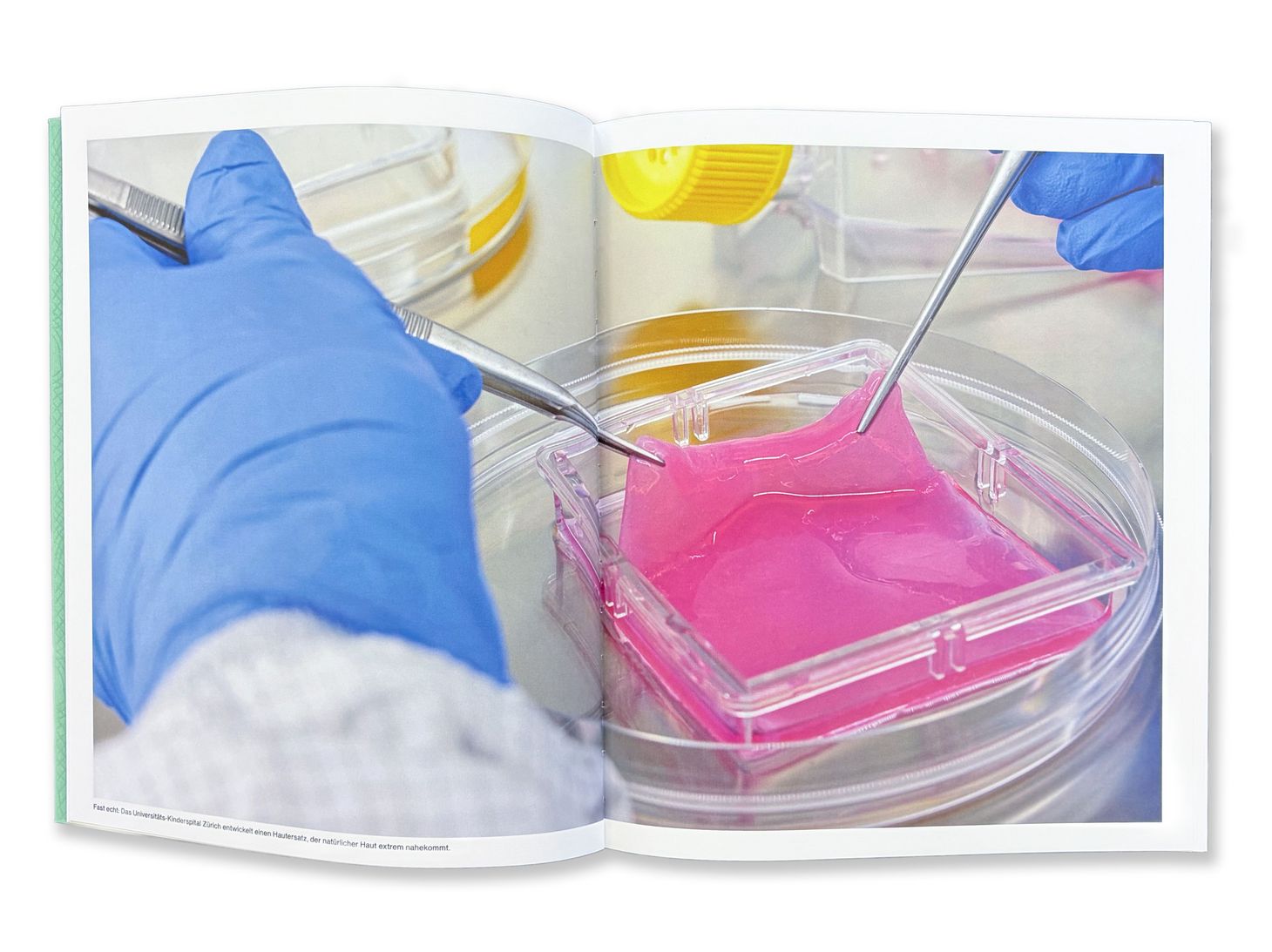
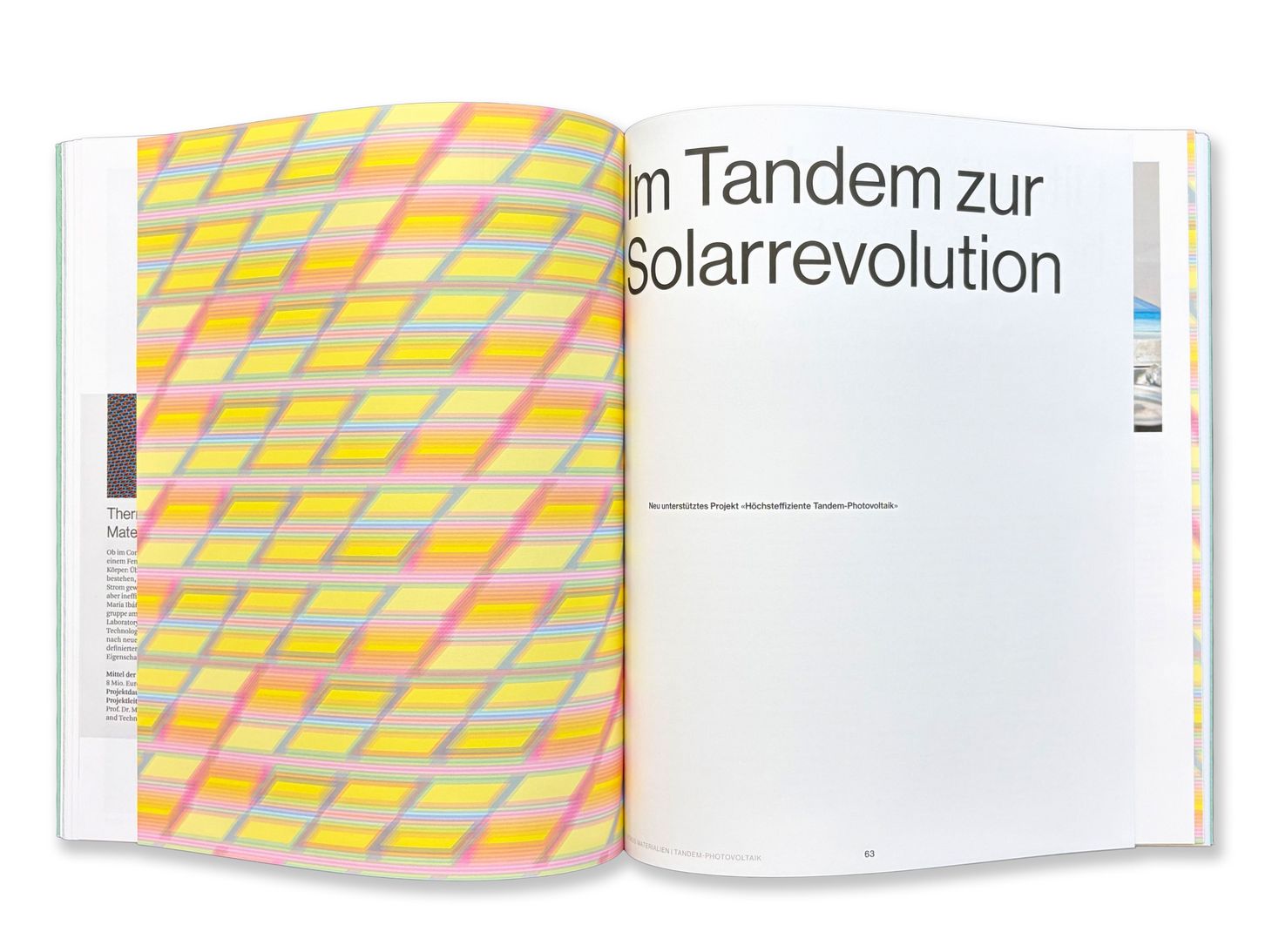
At the Fraunhofer Institute for Solar Energy Systems in Freiburg im Breisgau, a team is working towards manufacturing scalable, ultra-thin tandem solar cells with an extremely high conversion efficiency, and researchers at Balgrist University Hospital in Zurich are developing a contrast agent for detecting post-operative complications at an early stage. Last but not least, clinicians and researchers at the University Children’s Hospital Zurich are testing a skin substitute that offers new hope to children with severe burns.
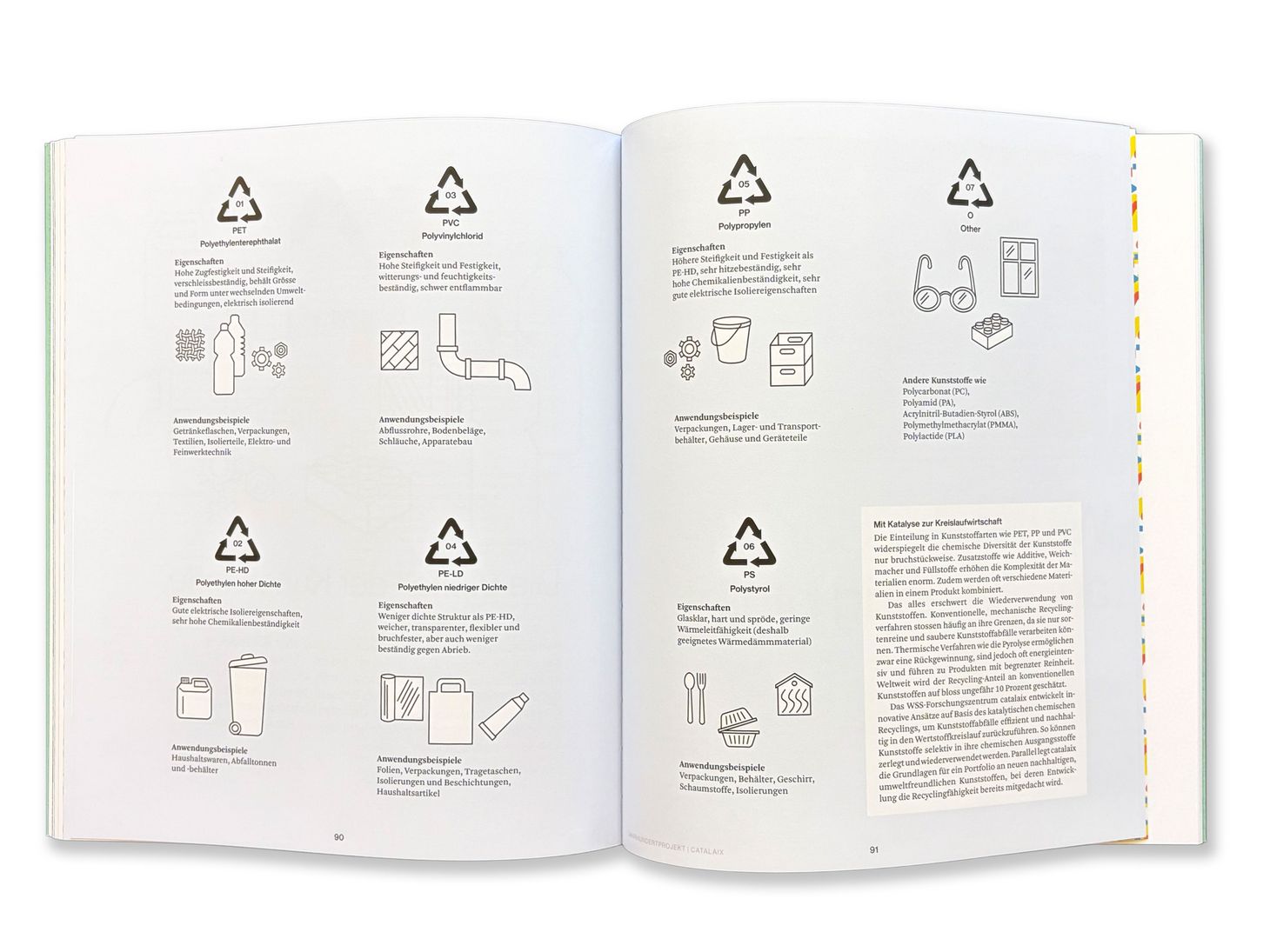
An entire chapter of the report is dedicated to “catalaix”—the WSS project of the century—at RWTH Aachen University, which studies chemical plastics recycling. Researchers involved in the project discuss their work, which includes investigating how microbes can break down and rearrange plastic molecules as well as defining optimal pathways for identifying the most viable areas of application for catalysis-driven recycling.
The report also includes updates on the other innovative projects that receive WSS funding. Topics range from a diving expedition in the Aegean Sea and a demonstration at the World Expo on to the acquisition of state-of-the-art scanning tunnelling microscopes. Other topics include pushing the limits of switching energy, cartilage regeneration, and ancient fermentation bacteria as well as the search for natural hydrogen and a survey of how ordinary people view digital surveillance systems.
In the section dedicated to news about the Foundation, Michael Hengartner, new Chair of the WSS Scientific Advisory Board, looks back on his first year in the role. In addition, Matthias Kleiner, who has stepped down from the Scientific Advisory Board after contributing his knowledge and expertise for the past thirteen years, also reflects on his time at WSS—with a touch of sadness and much gratitude, as he says. The Werner Siemens Foundation is naturally also pleased to welcome his successor: Chemistry Nobel laureate Benjamin List.
> Download the 2025 report